AUDIO GUIDE "Lesser-known and less-visited places of Khust region".
Hello, I'm an audio guide and today I'll introduce you to some little-known and infrequently visited places in places in Khust region. Very interesting, historical, architectural and natural...
However, it is also worth mentioning the main city of the district in the once ancient Maramureș. Khust, located on the banks of the Tyssa near where it receives the waters of one of its main tributaries – the River Rika. And the Khustets river, winding its way around Castle Hill, also joins the Tyssa with its waters.
The ruins of Khust Castle are grey witnesses to historical events that took place in the city. In ancient times The castle had a defensive and strategic importance. The fortress controlled trade routes and the salt path. Later, Khust also stood out in Ukrainian history on the path state-building events of our Ukraine. In the spring of 1939, у difficult historical years, the city became the capital of the Carpathian Ukraine.
Sokirnytsia Village
Near Khust, at a distance of 10 kilometres, lies the village of Sokyrynytsia. It is home to over 4,000 residents, the vast majority of whom, over 98 percent, are Ukrainian. There is little information about the village's origin; its first mention dates back to 1389. The village was founded based on a law that was in effect at the time in the conquered lands of the Kingdom of Hungary. The law, known as Vlach Law, This spread to most settlements in the region that arose during this period. People moved from the regions of Wallachia, which were overpopulated by cattle breeders, to Maramureș. But it wasn't just the Vlachs - the ancestors of modern Romanians - who took advantage of the opportunity to settle freely on lands without paying taxes, but also other peoples, including Ukrainians. Thus, one of the numerous Ukrainian villages arose in the Tysa valley - the village of Sokyrnytsia.
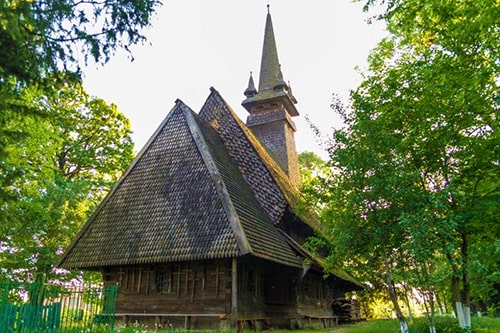
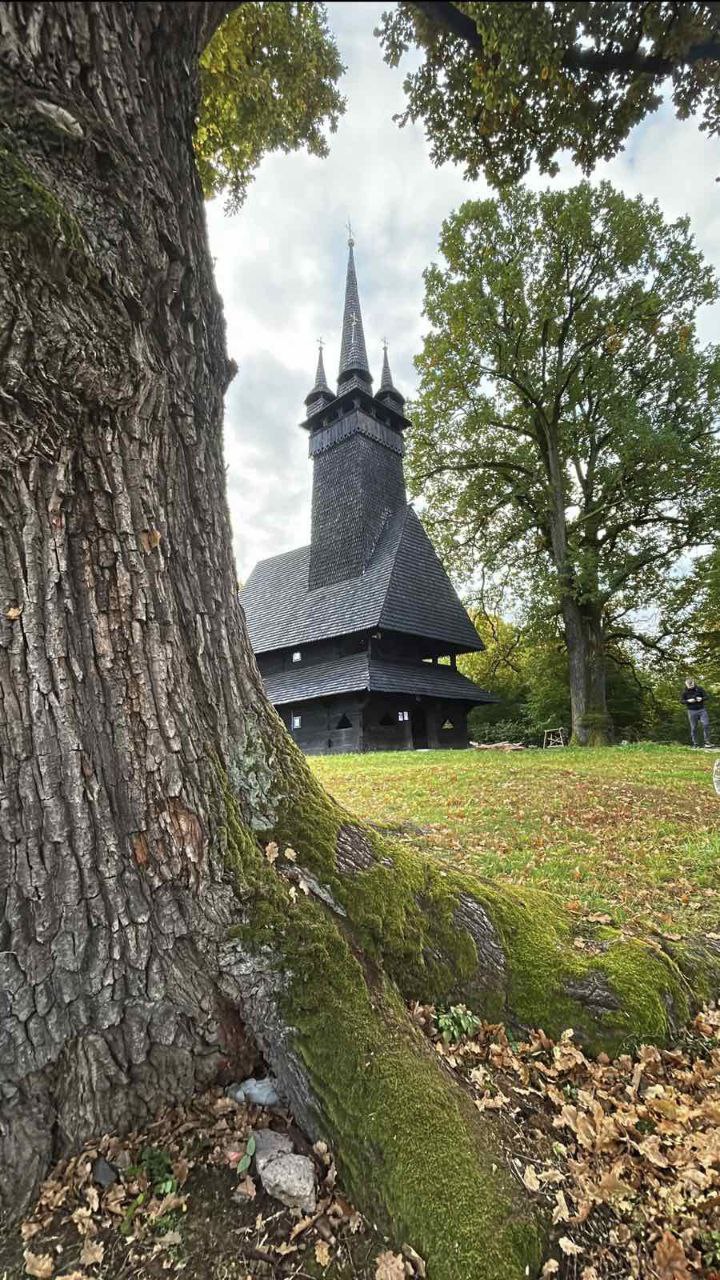
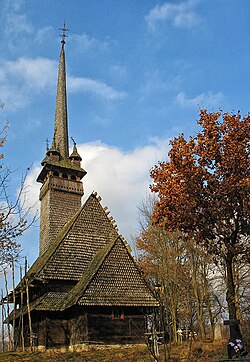
There are several interesting legends about the origin of the village's name. All of them are connected to an axe. Well, what can one say, it was precisely this tool that chopped down the oak forest, on the site of which the village then arose. Now, on its main street, there is a unique wooden Holy Mykolaiv Church, built from a sturdy log structure and several centuries-old oaks.
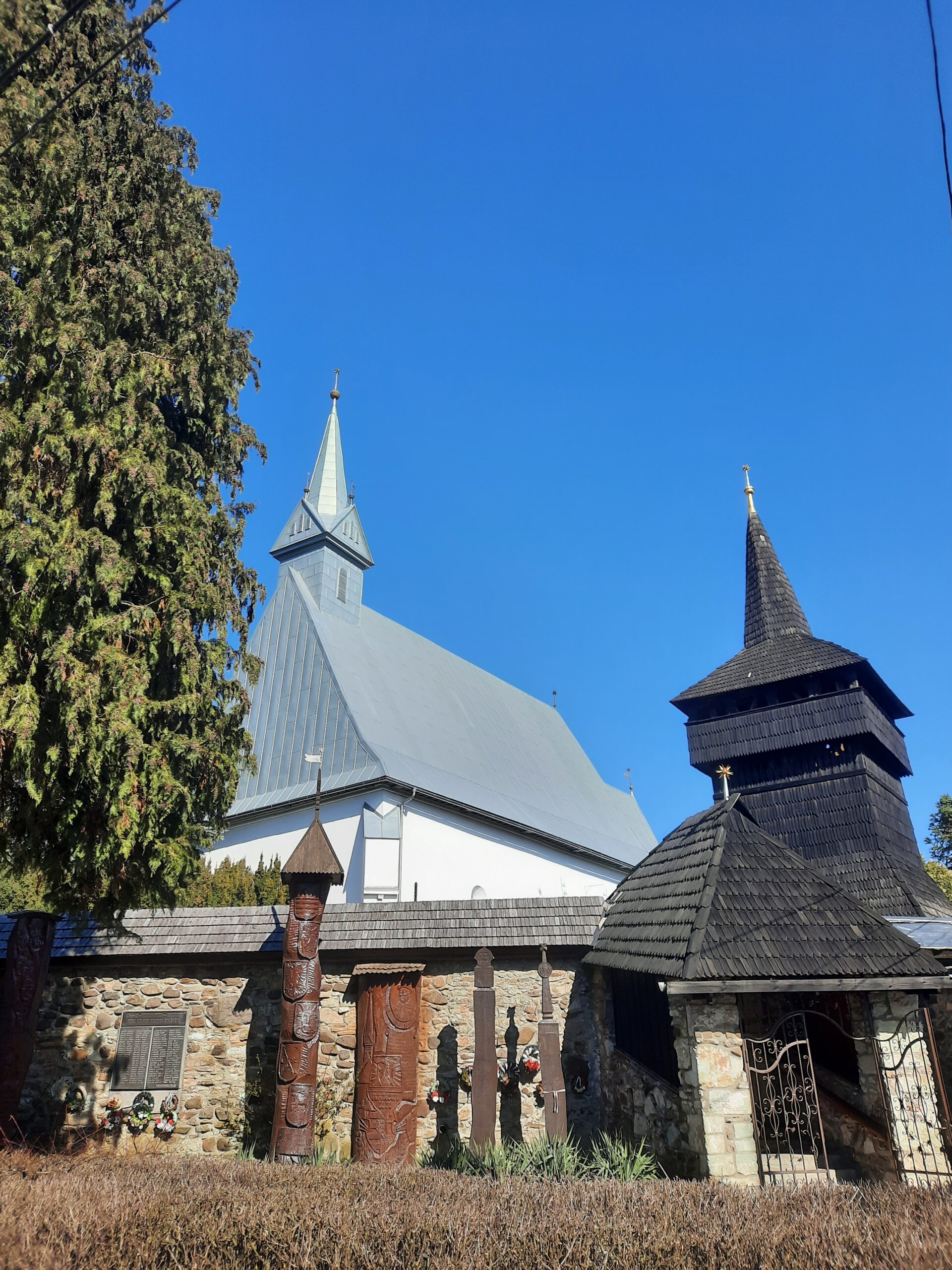
The site for the church was not chosen by chance – it's on a raised area of land. You wouldn't call it a hill, but it is still the highest point in the village. The church has an interesting history, as it was originally built in Vinohradiv region, in the village of Trosnyk. The lower logs of the church travelled over 50 km. The inhabitants of Sokyrnytsia village bought the church and rebuilt it in 1704. It is still located in this spot today. In 1770, the church was rebuilt and a tower with a spire-like Gothic finish, surrounded by 4 small turrets, was added. At this time, a wooden-framed bell tower was built next to the church from oak beams, which still serves its purpose today.
Upon entering the temple, our gaze is drawn to the closed porch with triangular window openings and an entrance portal. The narthex doorframe is framed by three bands of rope ornamentation. The interior of the temple suffered severe damage during the Soviet period when the church was closed. Its roof rotted and leaked. The old murals remain only on the plinths beneath the hanging icons.
Although a new stone church began to be built nearby in 1990, it is this wooden church that is the tourist attraction of the village of Sokyrnytsya, which lies amidst the picturesque Tisza Valley on the banks of three rivers – the Tisza, Pomiianytsya, and Bailova. A very picturesque area. Like the rest of Zakarpattia.
Kraynikovo Village
The village of Krainikovo is located very close to Sokirnytsia – the main street of one village flows directly into the other. Krainikovo's history is linked to its relocation – from the locality of Holdy to its current site, where it was re-established after a plague epidemic, and a church was built, which is a historical monument.
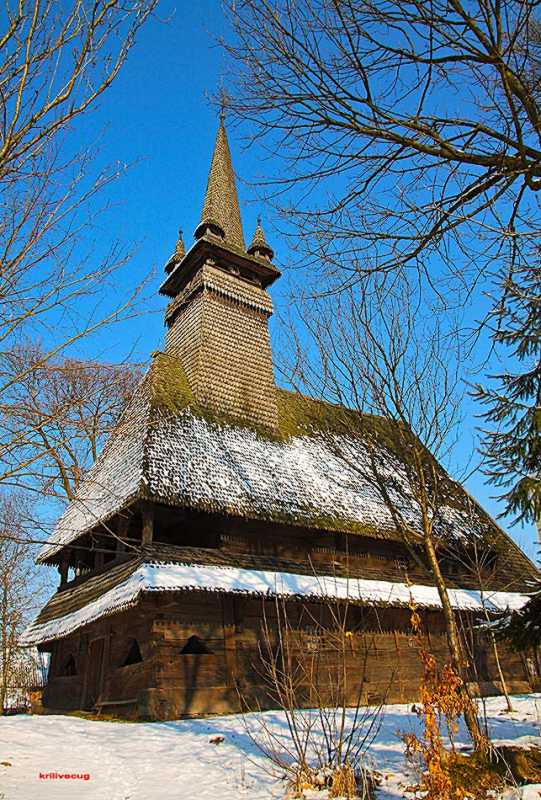
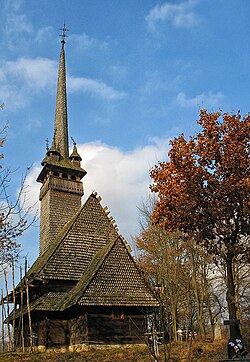
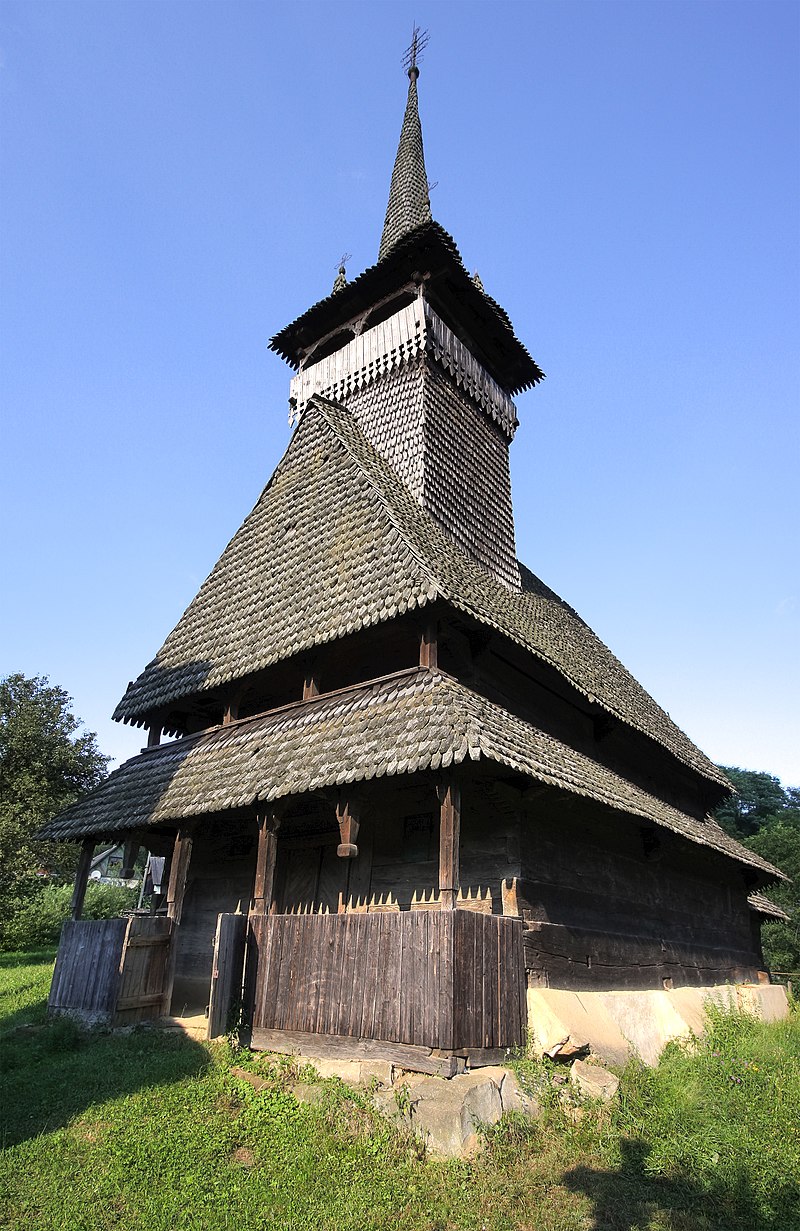
The first mention of the village dates back to 1389. According to legends, there was a royal estate here, and by it – dense oak forests and a healing spring – a well. It was next to it, between 1666 and 1668, that the wooden St. Michael's Church was built. It is a genius creation of wood, located on a glade with slightly elevated terrain above the village itself. Two 600-year-old oaks grow near the church. Just a few years ago, there were four of them.
The Gothic church with a spire, 25 metres high, looks very monumental. The side facades are wide oak logs of a log house with high slopes of shingled roofs. The main log house unites the nave, a narthex and an enclosed gallery with triangular openings on the main west facade.
Upon entering the temple, we see wonderful architectural and artistic details. Specifically, the mighty door frames of the gallery, decorated with a rope - a pattern, above which is carved the date of construction. All around the entrance door are ornaments with ancient sun symbols.
Many constructive elements indicate exceptionally professional work. The temple belongs to those few In Ukraine, which have wall paintings on canvas, pasted onto the smooth walls of a log house. The paintings from the 17th-18th centuries were severely damaged during the Soviet era. Also preserved are individual icons from the dismantled iconostasis of 1769 by the painter Yavorsky from the village of Vylok. The Kraynykivska church, with its 600-year-old oaks, creates an exceptionally beautiful place and, as it were, a living time machine, transports us to the 17th century.
Danilovo Village
Just a few kilometres from Krainikovo and we are already in the village of Danylovo, the first mention of what dated 1390. And before that There was once a large ancient Rus' settlement here – 11th-13th centuries. Today, the village is home to up to two thousand inhabitants. It has its own ancient coat of arms, which testifies to its significance in antiquity.
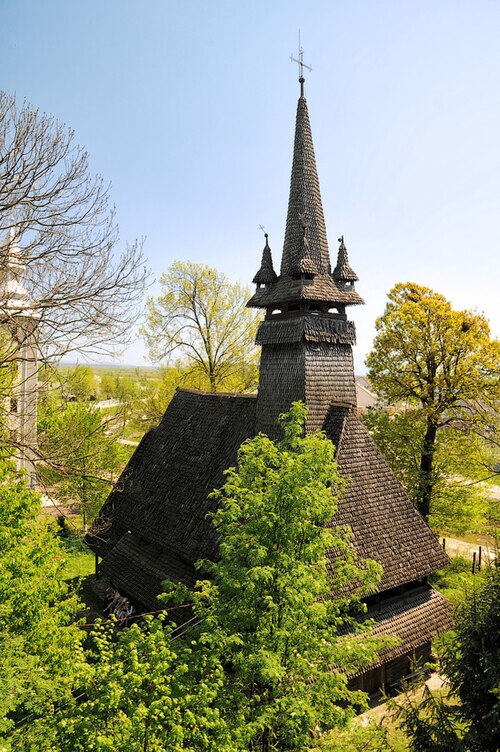
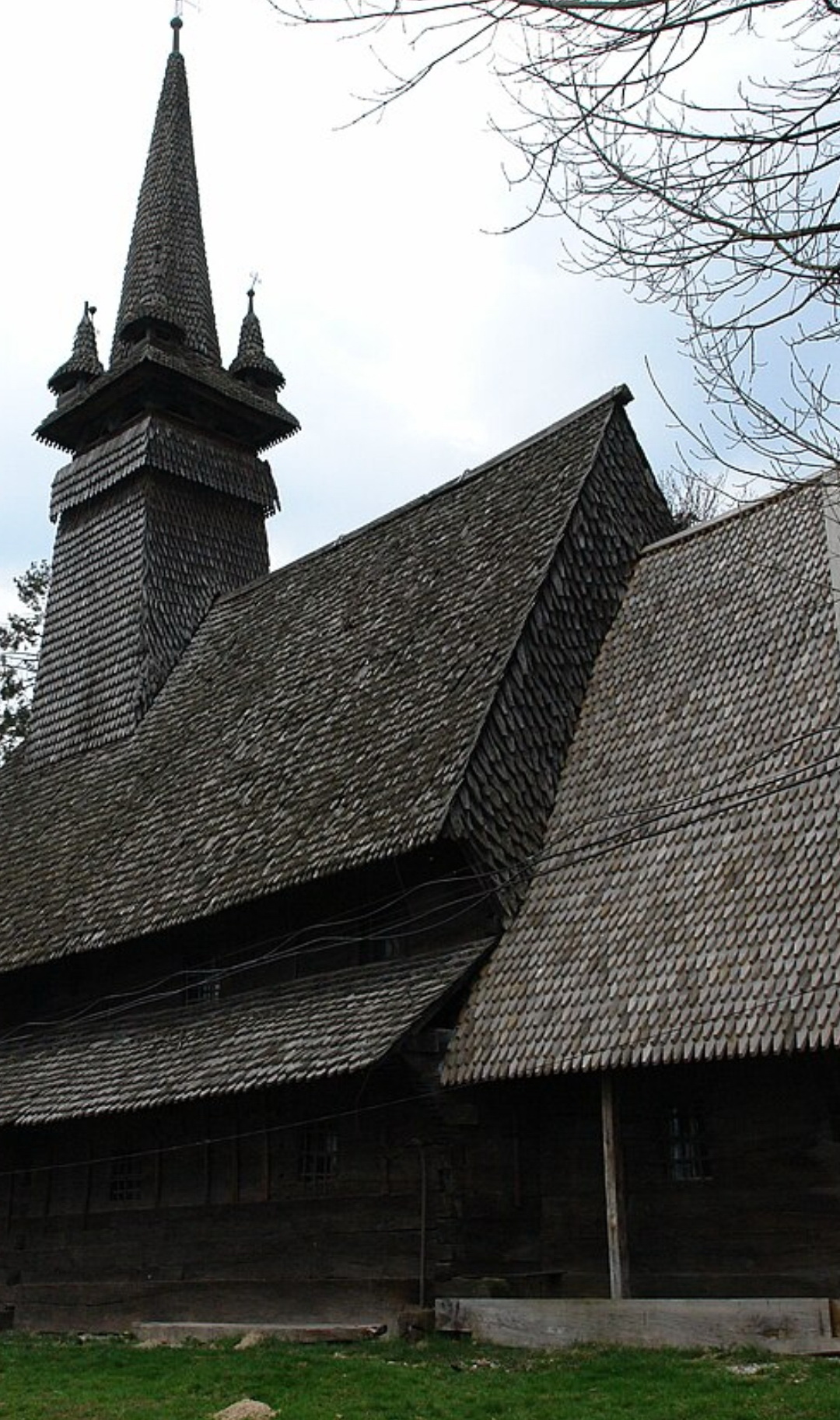
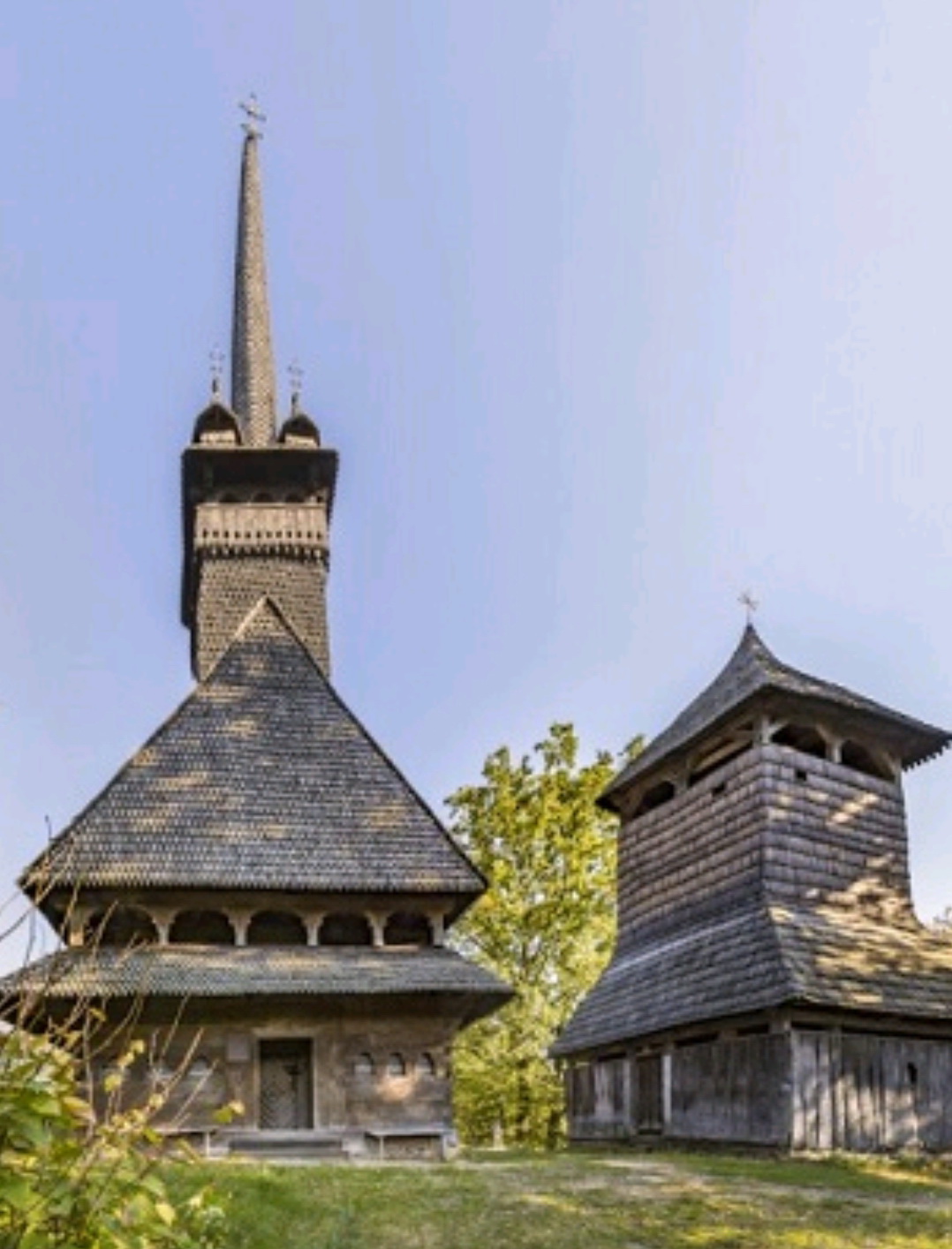
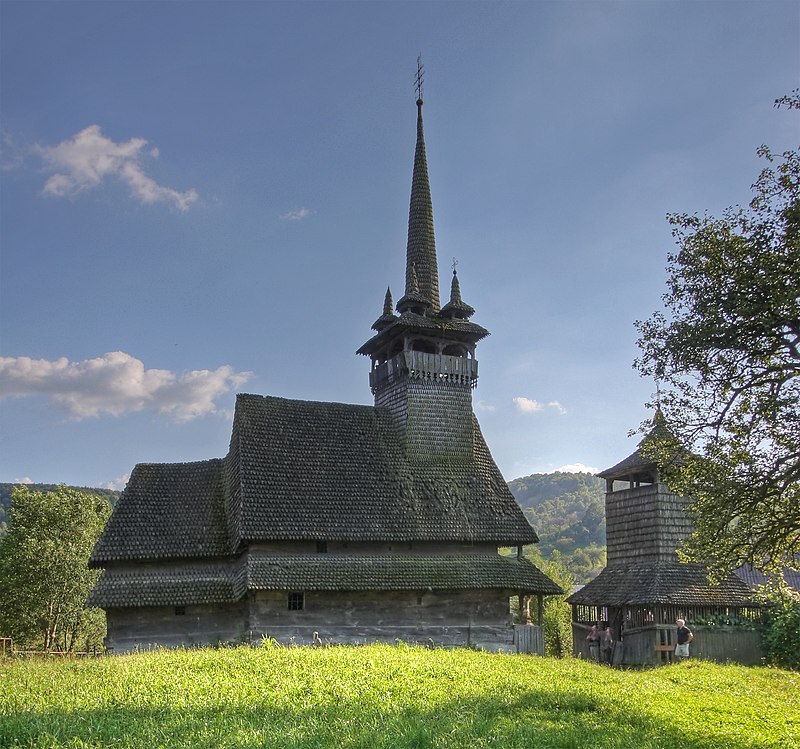
In the centre of the village – on a low but quite steep hill, stands perhaps the most beautiful wooden church in the Khust region, which also belongs to the wooden masterpieces of Maramureș Gothic. The St. Nicholas Church in the village of Danylovo is the youngest among the wooden churches. district, as it was built in 1779, and the tallest, reaching 35 metres. In 2011, the church was re-roofed with a new wooden shingle roof. In the middle of the temple, a wooden openwork arcade separates the narthex with a flat ceiling from the nave and altar, which are covered by high arched vaults.
The altar area has preserved frescoes from 1828 by the artist Kornmaier and an inscription on the west wall. The iconostasis from the late 18th century is impressive with its sculptural carving and the exquisite openwork of the Royal Doors. Four icons have been preserved, as well as the central images: Christ, Tsar of Glory, and the New Testament Trinity.
A slender two-tiered wooden bell tower, covered with a spire roof and housing three bells, is located a few metres from the church on the north-western side. A Hungarian inscription states that the bell was cast in 1892 in the German town of Neustadt. The bellfounder Gyula Czebe created the bell from donations from the village's faithful. The small bell was cast by a firm from Uzhhorod. "Akord" in 1938, also with the funds of the faithful. The bell tower completes the architectural ensemble.
Salt lake
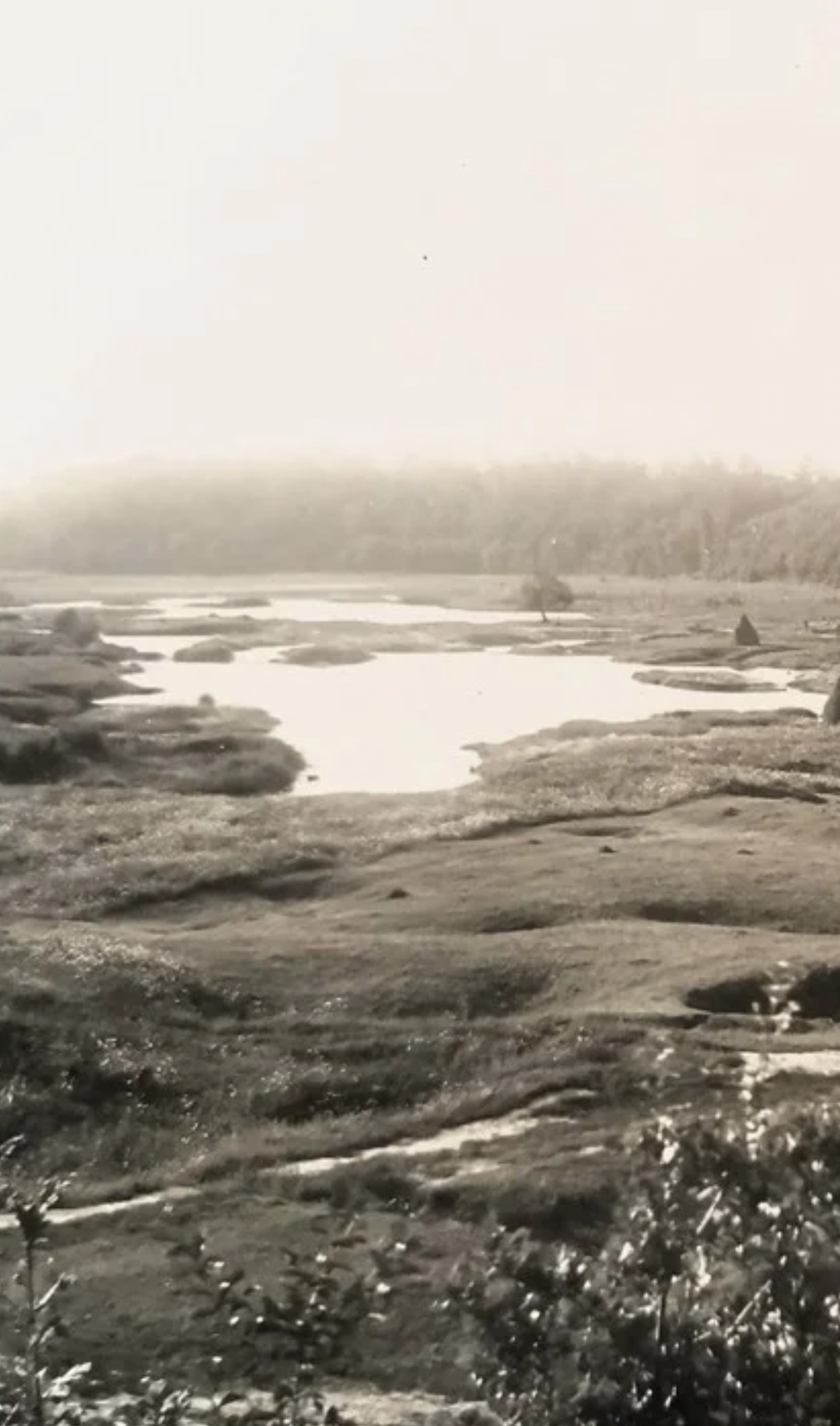
On the outskirts of the village of Danylovo lies the Solenе Lake, a hydrological nature monument of local significance, covering an area of 2.5 hectares. The area is called the "Yamy" tract. This status was granted for the preservation of the lake, whose water has medicinal properties. There are many pits and depressions around. This is because in ancient times, intensive mining took place here. Salt.
The reservoir is located on the edge of an oak forest. Locals often visited this forest. They collected mushrooms and berries. They picnicked on the lake shore and swam in its waters. Finding the lake is not difficult. You need to drive to the end of Ukrainska Street, whose old name is Gandala.
Legend has it that the village was also much larger than it is now. Some bodies of water and wells had such salty water that salt was boiled from it. Salt production was also one of the ancient crafts of ordinary peasants. Locals call the lake Vyshnye, meaning Upper, and they also remember the name Serednye Lake. Therefore, there were several of them. Undoubtedly, the reservoirs were formed as a result of anthropogenic factors and salt extraction. The extraction sites are flooded with underground, rainwater, and meltwater. Therefore, the formation and explanation of the origin and disappearance of smaller lakes are scientifically understandable.
5. Rehabilitation complex in Danilov
IN In the village of Danylovo, on the banks of the Baylova River, there is a modern health SPA complex. It is supplied with mineral water, which aids in recovery from various ailments.
Deposits of unique, hydrogen sulphide mineral water have been used for medicinal purposes since ancient times for the rehabilitation of the musculoskeletal system. The complex has a bathing facility and vats, which are filled with mineral water. Treatment and rehabilitation should be approached individually and with consultation from specialists. However, for relaxation, it is probably worth immersing yourself in a bath or vat at the end of a day of excursions.
6. Alexandrivka Village
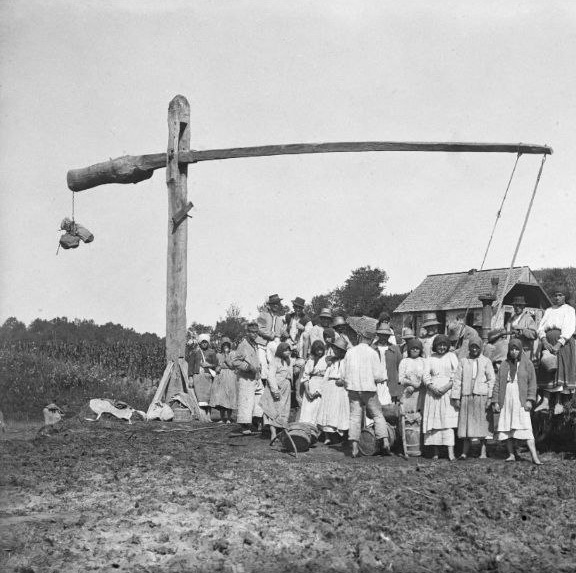
On the way from Danilovo to the village of Oleksandrivka, we stop to visit the "brine" well. The history of this village is connected with brine – very salty water from a unique well, which at the beginning of the 20th century brought the village fame and significant income. The water in this well is so salty that up to a kilogram of salt can be evaporated from seven litres of water. The local residents were once engaged in salt production. Few do now, but still, brine is used for curing lard and vegetables.
In ancient times, the process of boiling salt was very common. The brine was drawn from the well and boiled in cauldrons over a fire, which lasted several days. After evaporation, the salt was sold; this was the main source of income in the past. To draw brine from the well, people had to stand in queues, sometimes for several days. Nowadays, salt from the well in Oleksandrivka is no longer evaporated. In ancient times, the village's name was Shandrove. This name still exists among the people today. Until recently, the well's salty water was used to prepare food for livestock. Today, the unique well could disappear, despite the fact that the brine from it was once used by residents of 99 villages in Maramureș.
7. Salt Lake
Salt lake in The "Hertz" tract on Myr Street in Oleksandrivka is a hydrological natural monument of local significance and a regional natural reserve object. The lake is situated at the foot of a small mountain, covering an area of three hectares. Its water possesses healing properties. It is highly likely that the lake was formed as a result of past salt extraction. In this area, rock salt deposits lie relatively shallowly beneath the ground's surface. Consequently, salt has been extracted here using open-pit mining methods since ancient times. Over time, such sites and pits became flooded with water, forming saline bodies of water – lakes and wells. It was this very water that seasoned the dishes on the tables of the local populace. Historical sources indicate that salt was extracted in Oleksandrivka from 1743 to 1780. In 1832, the mines were abandoned and flooded the following year. It is highly likely that this is when the saltwater lake was formed.
8. St. Paraskeva Wooden Church
In the village of Oleksandrivka, the attention of tourists and scientists is drawn to The wooden Church of Saint Paraskeva. It is the smallest among the wooden sacred structures of the Khust region, dating from the 15th-18th centuries. The building judiciously crowns the wide surface of the hill and stands out with a clear silhouette against the backdrop of low mountains. The church is built from massive oak planks and stands on a foundation of concreted flagstone.
The church is disused, and its external condition, like, presumably, all wooden churches in Transcarpathia, leaves much to be desired. Inspections have shown that the church's log walls are in a satisfactory condition, though the shingle roofing is partially damaged. The floor is missing, and the surfaces of the walls and the painted "heaven" ceiling are covered in cobwebs and dirt. The wall paintings, executed by folk artists, also require restoration.
9. Vyshkovo Settlement
The history of Vyshkovo is linked to an ancient fortification, first mentioned in 1271. It controlled the salt route along the Tisza River. Located on the left bank of the Tisza River, the ancient settlement was at one time one of the five free royal cities of Maramureș County and In the 14th century, it began to play a leading role in this territory. A castle was built above the town, but after the strengthening of Khust, Vyshkovo gradually lost its importance.
On the outskirts of Vyshkov there are many fruit orchards. The village was famous for its crafts, masters, builders and carvers. Here live believers of various Christian denominations – Ukrainians and Hungarians. And once there were quite a lot of Swabians, Jews, Romanians, and other nationalities. The population currently stands at over 8,000 residents. Vyshkovo is the main settlement in the Zakysnyanshchyna region of Khust Raion, and the surrounding villages – Yablunivka, Rakosh, Modyorosh, and Shayan – have always been considered its hamlets. Since 2020, in Vyshkovska The community includes the village of Velyatyno.
The oldest structure in Vyshkov is The church stands on a small hill in the northern part of the village. The temple has largely retained its medieval appearance. Its walls are built of rubble stone, and the decorative elements are made of cut stone. A rectangular nave with a flat ceiling has an elongated apse attached to its eastern side, which terminates in the five facets of an octagon.
The first mention of the church dates back to the late 13th century. The Vyshkov Church is the largest among the churches of those settlements that were granted the status of free royal cities in 1329. Characteristic of those times is also the ornamental decoration with a plant motif on the pillars of the altar termination. The artistic and architectural value of the church building has increased thanks to the sensational find by József Lang, who, during research in November 2012, discovered fragments of fresco painting. The walls of the apse are covered with executed in excellent fresco technique with compositions on the theme of "The Last Supper", "The Betrayal of the Saviour in the Garden of Gethsemane" and "Holy Martyrs". The continuation of research and restoration work can contribute to the transformation of the Vyshkovo Reformed Church into one of the most attractive religious tourism destinations.
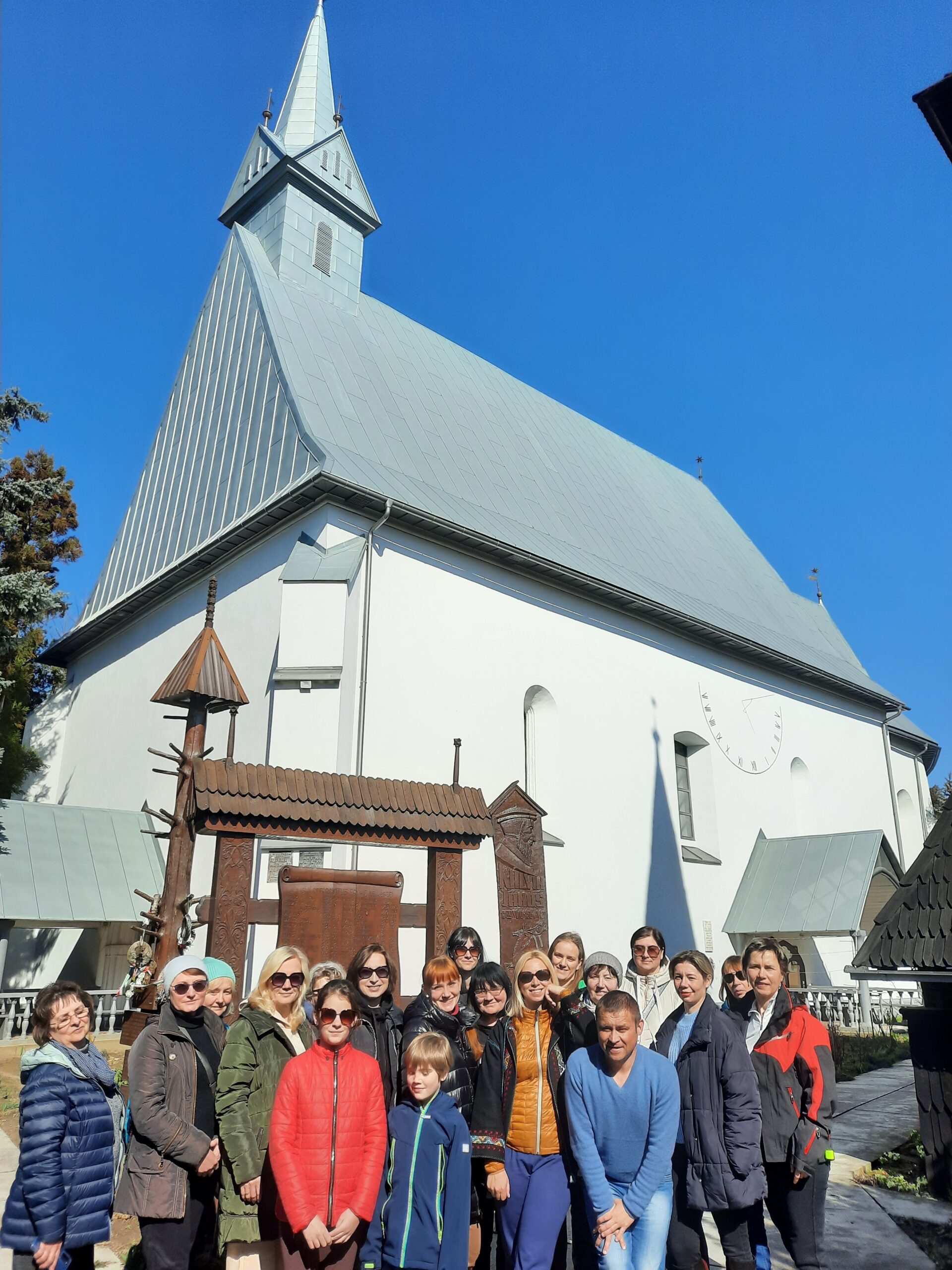
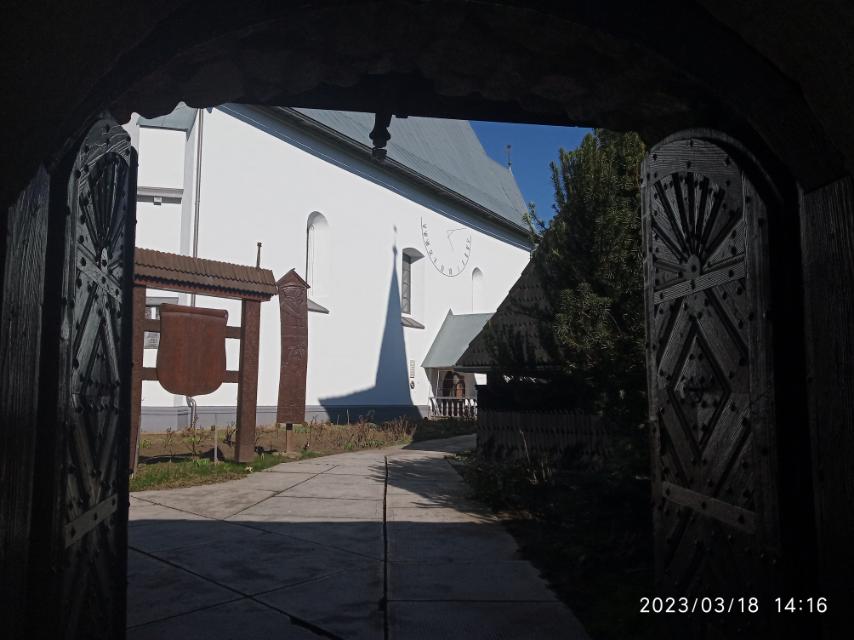
The area around the church has been enclosed by a stone defensive wall since the Middle Ages. In addition to its religious needs, the stone complex served a defensive function for the town's residents. For instance, in 1717, the residents of Vyshkov defended themselves in the church against a Tatar invasion. However, after the siege, the residents were killed, and the church was burned down. In 1789, the roof and interior of the church were restored. In the early 19th century, a timber-framed bell tower was erected next to the church, and a magnificent dendropark with dozens of species of trees and shrubs, along with rose alleys, spread around it. A sundial is located on the southern wall of the church.
10. Craft product – Vyshky beer
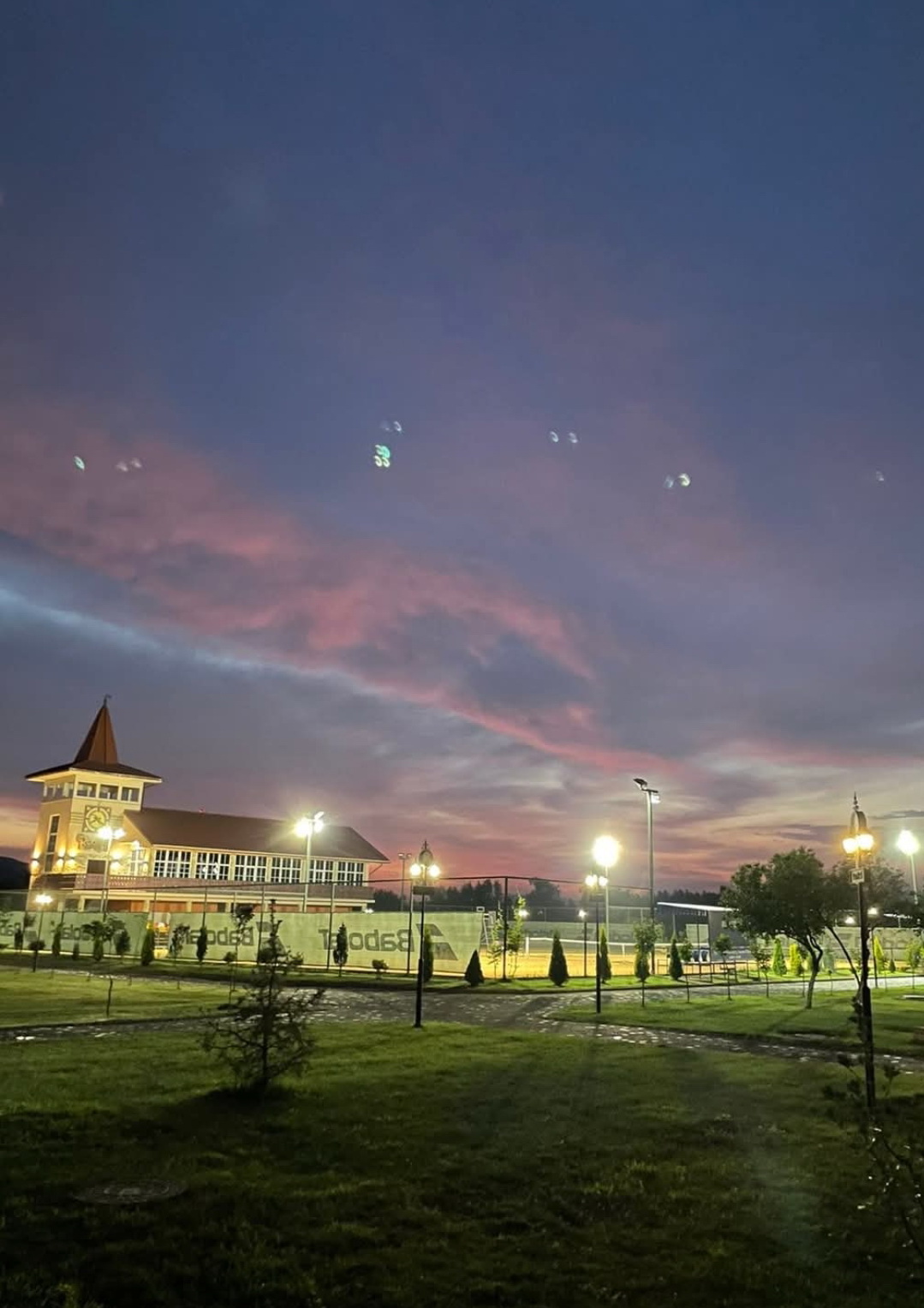
Moving from the 13th-14th century Vyshkiv church to the village of Shayan, you can try "Kibler" craft beer, brewed at the local brewery. The complex has many different facilities: a brewery, a pizzeria, a spa complex, a sports ground with tennis courts, and a wine cellar. An incredible view of the surrounding landscape opens up from the complex. The volcanic ridge of the Gutin Massif. The Ukrainian-Romanian border runs along the top of the ridge, the mountains are covered with beech forests, and the foothills and lower slopes are covered with oak-hornbeam stands. All around are many apple orchards, for which Vyshkovo was once famous.
11. Shayan
The village of Shayan, located 7 km from ancient Vyshkovo, is known throughout Ukraine and beyond for its healing mineral waters, which are bottled by several companies. The water can be sampled at the central village drinking fountain and also used for therapeutic purposes during stays at local sanatoriums. Shayan mineral water has a wide range of therapeutic properties – it normalises acidity stomach, has an anti-inflammatory effect on the digestive organs, stimulates bile production and improves the outflow of pancreatic juice. The water is therapeutic for diabetes and has a diuretic effect due to its silicon and magnesium content. Its composition includes bicarbonates, sodium, magnesium, silicon, and other minerals that regulate metabolism. It also helps to lower cholesterol levels, boost immunity, improve blood circulation, and the condition of the skin.
The first written mentions of Shayan waters appear in 1753. And as early as 1818, the first sanatorium, Zamkova Kupil, was opened, which was located in Vyshkov, at the foot of Mount Vargeď.
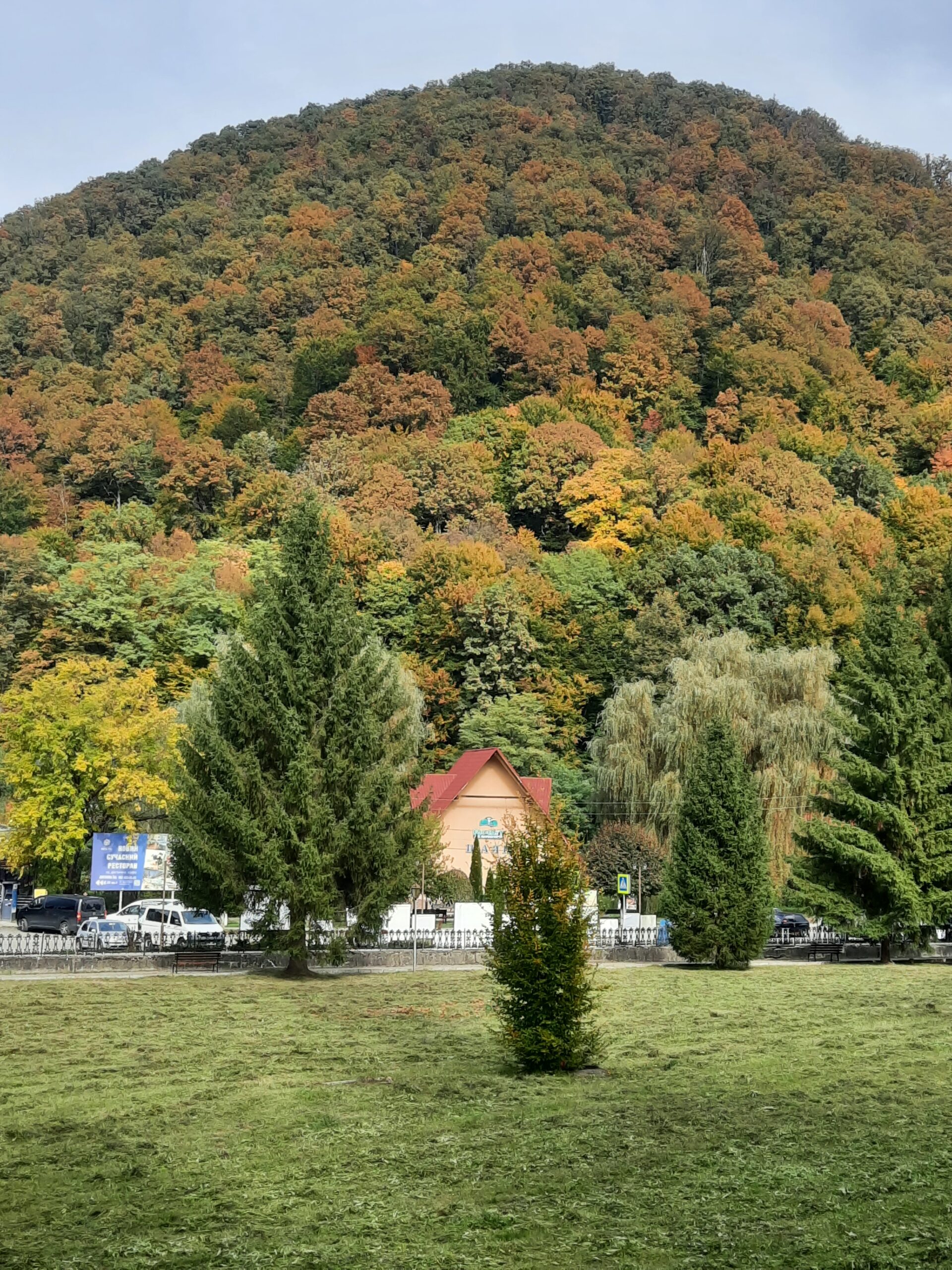
Shayan is located amidst a mountain range, the most famous of which are Shayan, Shayanatko, and Shayanikha. The Kibler River winds its way through the entire village, flowing into the Tysa. The village has several sanatoriums and rehabilitation centres, about 20 hotels and guesthouses, as well as restaurants, cafes and other tourist attractions. It's very cosy and calm here. The healing mineral water, air, forests, and mountains create an incredible aura. For many Ukrainians, Shayan has become a favourite holiday destination.
12. Abandoned Mineshafts
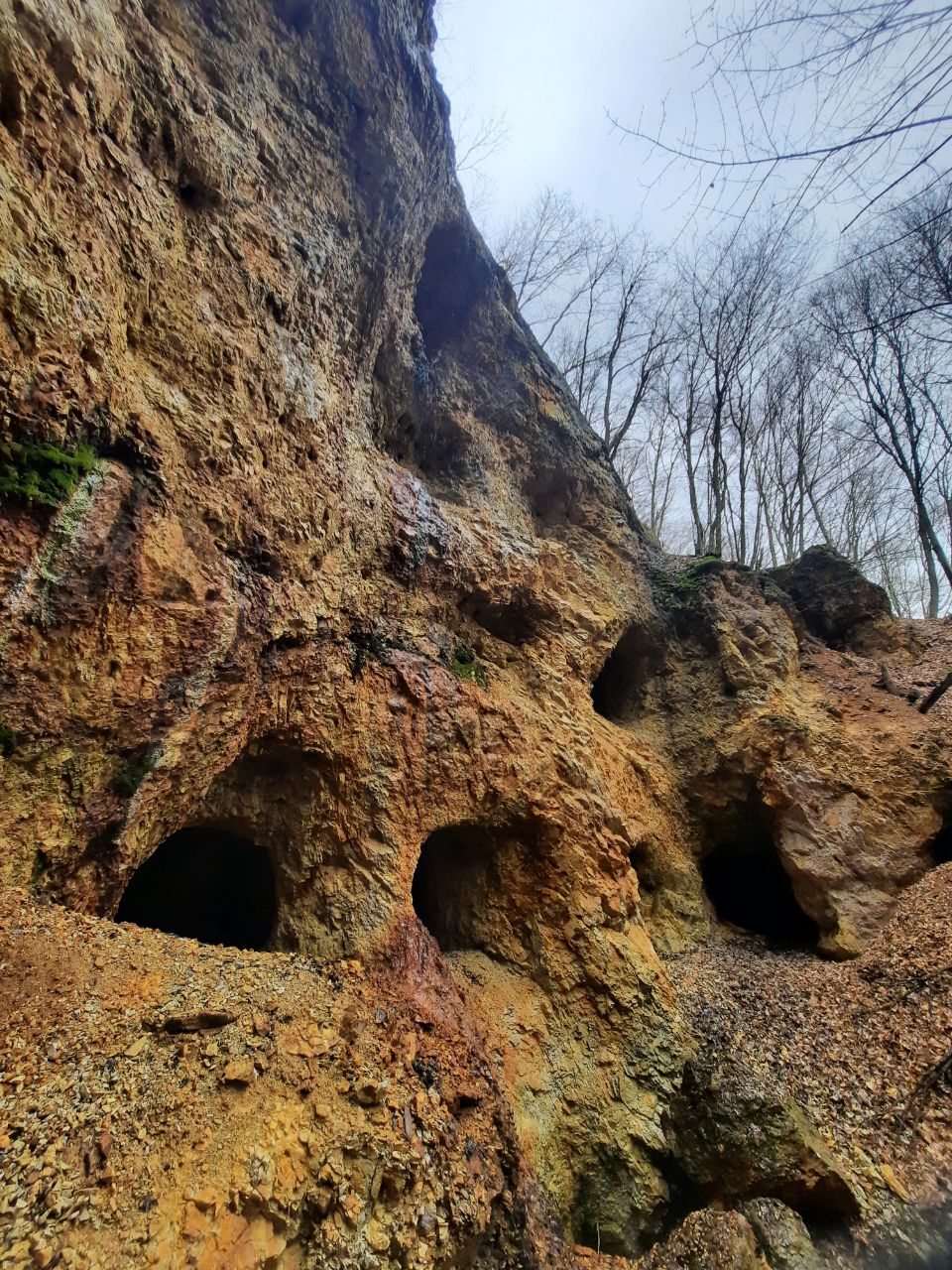
Using the map on the information board near the water fountain, which contains information about hiking routes through the low Shayan mountains and forest, you can visit a little-known geological site – abandoned adits. Of course, visiting the underground tunnels themselves is not recommended, but it is enough to see them from a distance to take interesting Instagram photos.
The ore extraction process lasted only a few years, yet it left a significant mark. In some places, nature has partially recovered, and forests have regrown where the rock was quarried in open pits. The adits from Mount Shayan look out at you, like Hephaestus, who was the god of blacksmithing for the ancient Greeks and Romans. This man-made object has become very popular with tourists in recent years. There have been bloggers here who have advertised the place, which until then was known only to locals, and not all of them were aware of it. At first glance, these look like giant beehives, but in reality, they are mine shafts and it is dangerous to go inside.
13. Shayan Forest and mountain route
Continuing along the tourist routes, we delve into the world of pristine nature. After all, century-old oak and beech-hornbeam forests have been preserved on the slopes of the Shayan and Shayanikha mountains. Such natural environments have been preserved in few places at a relatively short distance from civilisation. These forests belong to natural forest states and quasi-primeval forests.
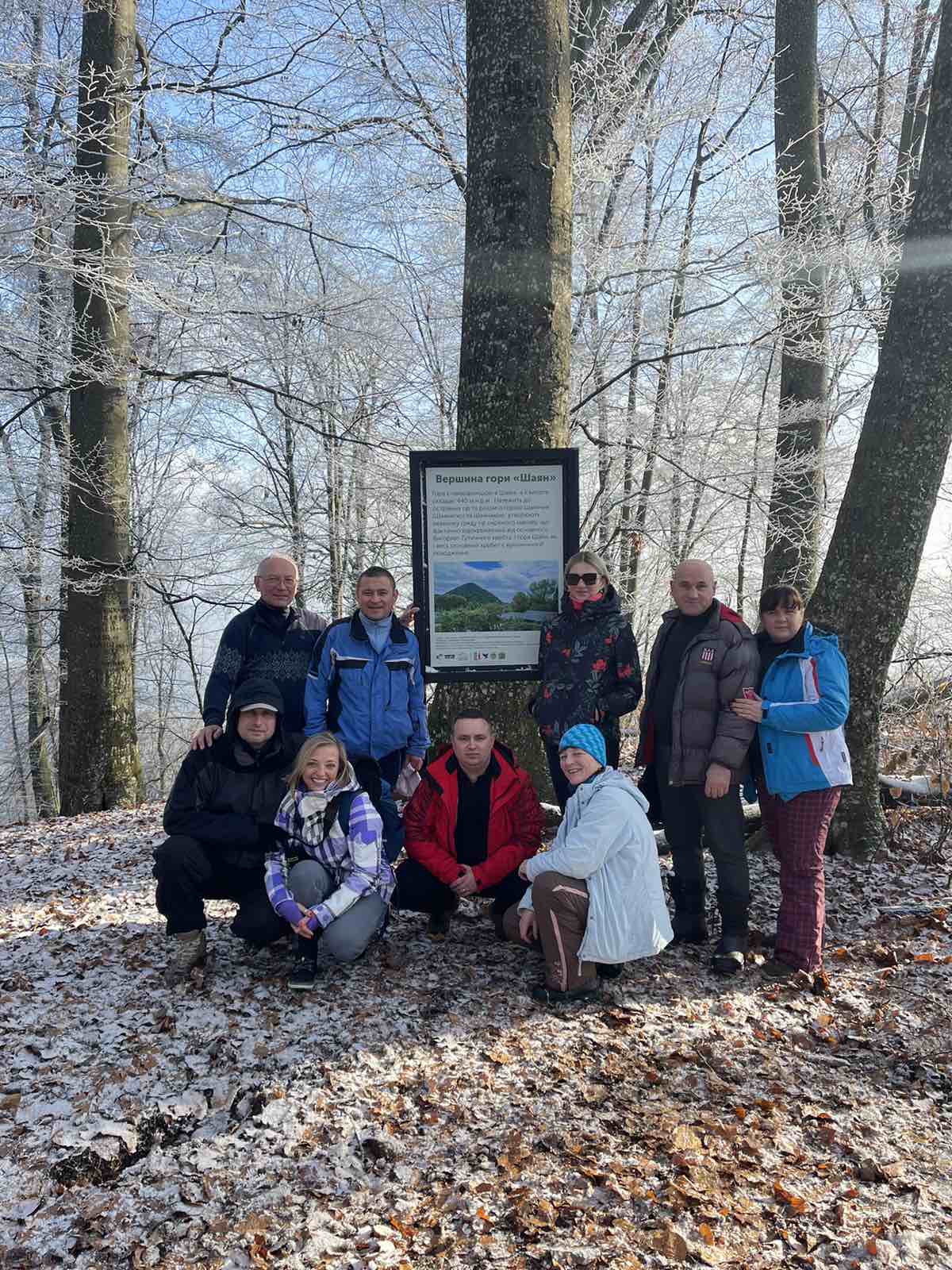
Tourists holidaying in Shayan have the opportunity to walk along marked routes. One of them is around Mount Shayan with a climb to its summit, another is a A small Shayan walking loop. The route lengths are 4 km and 4.5 km, both starting near the mineral water pump room.
The information board has a map and key information. There are also QR codes, by scanning which you can download routes to your smartphone and follow them independently, easily and safely. It's important that there are signposts along the route, everything is marked, and during the walk, you can comfortably rest on "forest furniture" next to which beautiful views open up.
The slopes of Mount Shayan are quite steep, but you can still reach its summit from the north-western side, where there is a marked trail. Mount Shayan has already become the magnet and talisman of the village.