Khust district

The district was established in accordance with the resolution Verkhovna Rada of Ukraine 17 July 2020.
Previously, the district was part of Khust district, Mizhhirsky, partially Irshavsky and Svalyavsky districts liquidated by the same resolution of the Verkhovna Rada.
The area is characterised by clean air, famous mineral water springs in Shayan, the beauty of mountain ranges, and cheese dairies that attract true connoisseurs of taste and beauty. And, of course, the unique Narcissus Valley, located in the Kireshi tract, on the outskirts of Khust, and the incredibly beautiful Enchanted Land National Park.
It is here that one of the Seven Wonders of Ukraine, Lake Synevyr, which was formed 10,000 years ago at an altitude of 989 metres above sea level, is located.
The Khust district borders on Mukachevo, Berehove, Tyachiv, Zakarpattia and Romania.
The district is home to the "Transcarpathian Sea" - the Vilshany Reservoir - and the volcanic Lipovetske Lake, which is located in the mouth of an ancient volcano. Many mysterious stories are told about it.
Flora and fauna
The flora of Khust district is represented by unique plants: alpine aster (edelweiss), dog's tooth erythrenium, cedar pine, carved gentian, yellow gentian, yew, Carpathian bells, alpine shiryanka, Carpathian vetch, Carpathian currant, mountain flax, Carpathian rhododendron.
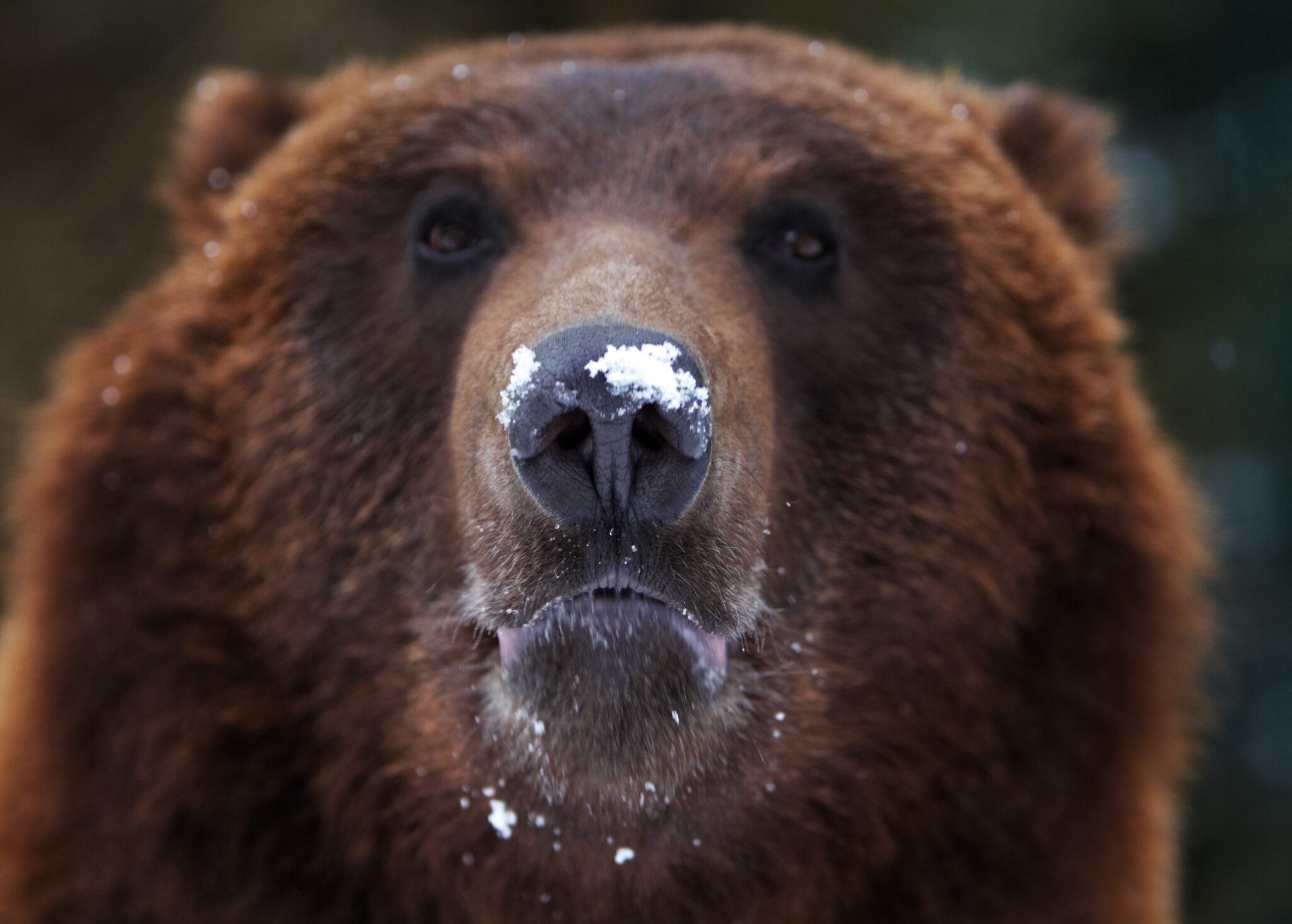
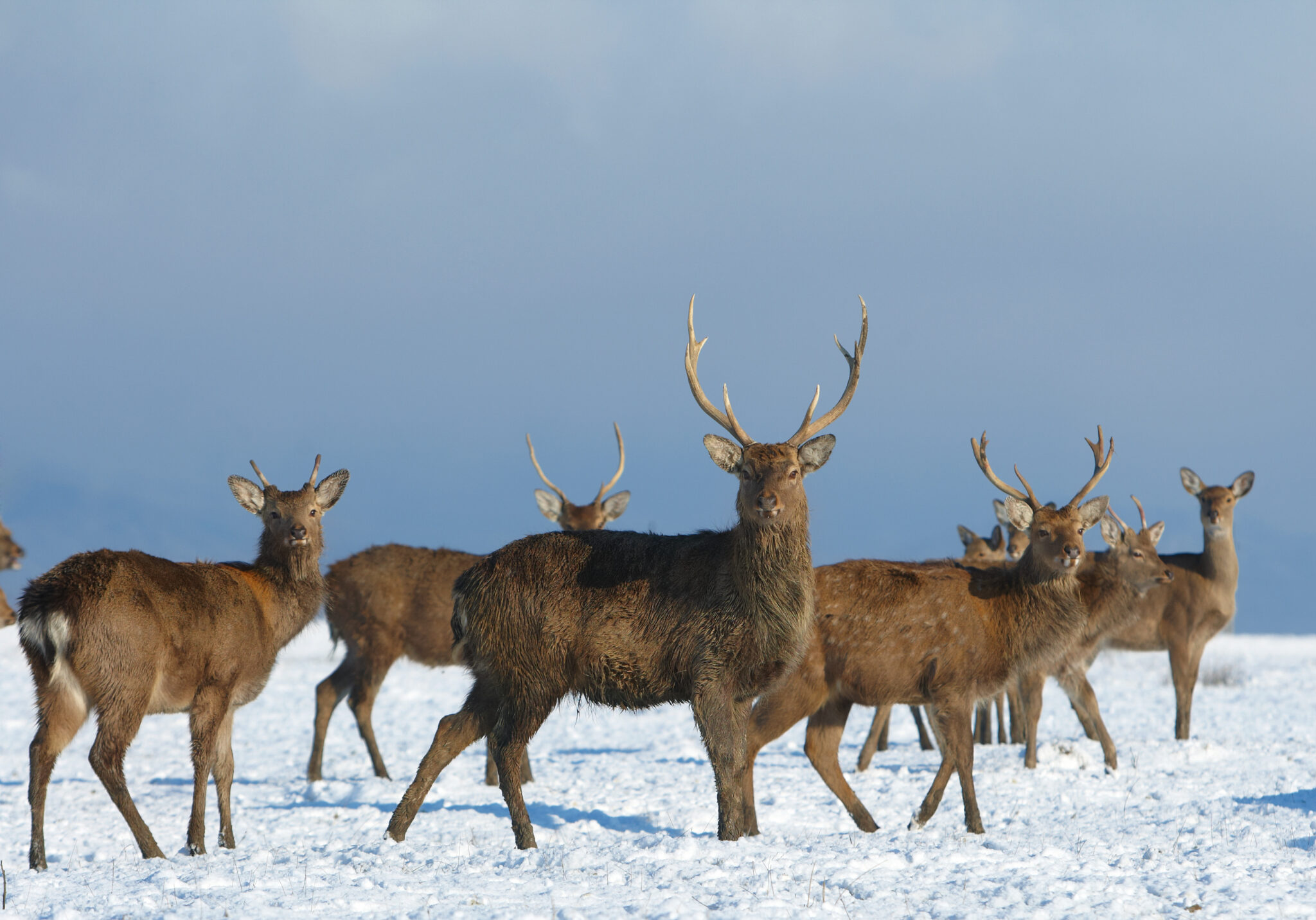
The fauna of Khust district is represented by traditional animals: fox, wolf, raccoon dog, brown bear, badger, marten, ermine, otter, forest cat, lynx, hare, squirrel, wild boar, roe deer, Carpathian deer. Birds include grouse, black grouse, hazel grouse, grey partridge, owl, wild goose, wild duck, and reptiles include lizards, snake, spindle viper, common viper, and salamander.
There are many fish in the rivers of the district: brook trout, Danube salmon, grayling, umber, brown trout, roach, roach, crucian carp.
Crafts and recreation
On the territory of Khust district there are popular health and recreational complexes based on mineral and thermal water springs in the villages of Dragovo, Shayan, Vyshkovo, Velyatino, Kelechyn, Soimy.
Folk crafts of the Khust district: wickerwork in the village of Iza, pottery in Khust and Vyshkiv, metal art in Khust, wood art in Dragovo
It is worth noting that 40 kilometres from Irshava, in the village of Lysychevo, there is a unique monument to the craft of blacksmithing, the Hamora water forge, which is more than 300 years old. Its originality lies in the fact that heavy blacksmith hammers are driven by water. It is here that one of the most popular festivals in Transcarpathia, Hamora, takes place, bringing together blacksmiths.
Tourists should visit
The city of Khust and Khust Castle;
Krasne Pole Memorial Park;
In the spring, it is the Valley of the Daffodils;
A deer farm in the village of Iza;
An ostrich farm on the outskirts of Khust;
Buffalo farm in the village of Horinchovo;
Khust Museum of Local Lore;
A source of salt brine in the village of Oleksandrivka;
Monasteries and churches of Khust district;
Wooden churches of Khust district;
Cheese tasting rooms in the villages of Iza and Nyzhnye Selyshche
Headwear factory in Khust
Architecture and museums
The Khust region has unique ancient wooden churches made without a single nail, as a sign of the skill of folk architects and craftsmen. The most famous and noteworthy are: the 17th-century Church of St Nicholas the Wonderworker in the village of Sokyrnytsia; the 15th-century Church of St Parasko (rebuilt in 1753) in the village of Oleksandrivka; and St Nicholas Church in the village of Danylovo, built in 1779. An oak grove has been growing near the wooden church in the village of Kraynikovo since ancient times, with trees 200 to 300 years old. Some churches have preserved ancient icons and books;
Unique wooden churches: XVII-XVIII centuries, Ivashkovytsia, Lokot, Deshkovytsia villages;
Monasteries: an Orthodox monastery in Pryborzhavske, a Greek Catholic monastery in Imstychovo, and monasteries in the villages of Osiy, Kushnytsia, and Siltse;
An operating water mill in the village of Pryborzhavske;
Bronka Castle (13th century), Bronka village
Dovhe village: the 18th-century fortress-type estate of Count Teleki. Earlier, there was Dovzhanskyi Castle, a feudal manor, first mentioned in 1460, a monument (basalt and marble) to 50 Kurucs rebels, participants of the national liberation war of 1703-1711 against the ruling Habsburg regime in the Austro-Hungarian Empire.
The village of Bilky: Greek Catholic church of the early 19th century with restored paintings by Ferdinand Vydra and John Weinrich; Cross of Sobriety (mid-19th century), chapel of the repressed priest Oros; restored stele of the fallen villagers during the Second World War; Holocaust monument.), Chapel of the repressed priest Oros; Restored stele to the dead villagers during the Second World War; Holocaust monument; monument to the strongest man of the twentieth century Ivan Firtsak-Kroton; Stele commemorating the execution of peasants participating in the revolutionary uprising of 1906 by Austro-Hungarian gendarmes; Memorial sign at the place of execution of Sich Riflemen and the grave of the executed Sich Riflemen in March 1939
The Museum of Partisan Glory, the monument to the fallen partisans, and the Obelisk at the site of the first landing of the partisans of the D. Ursta-I. Pryshchepa International Detachment, which operated during the Nazi occupation (1944-1945) in the area (Ch. Potik and Smoholytsia villages).
Hamora Water Forge Museum (XIX century) in the village of Lysychevo. The blacksmith shop has preserved technical facilities and all internal mechanisms that, under the influence of water, clearly demonstrate the process of making tools by forging. The Wtq Museum is the only one in Ukraine. There are only a few similar facilities in Europe.
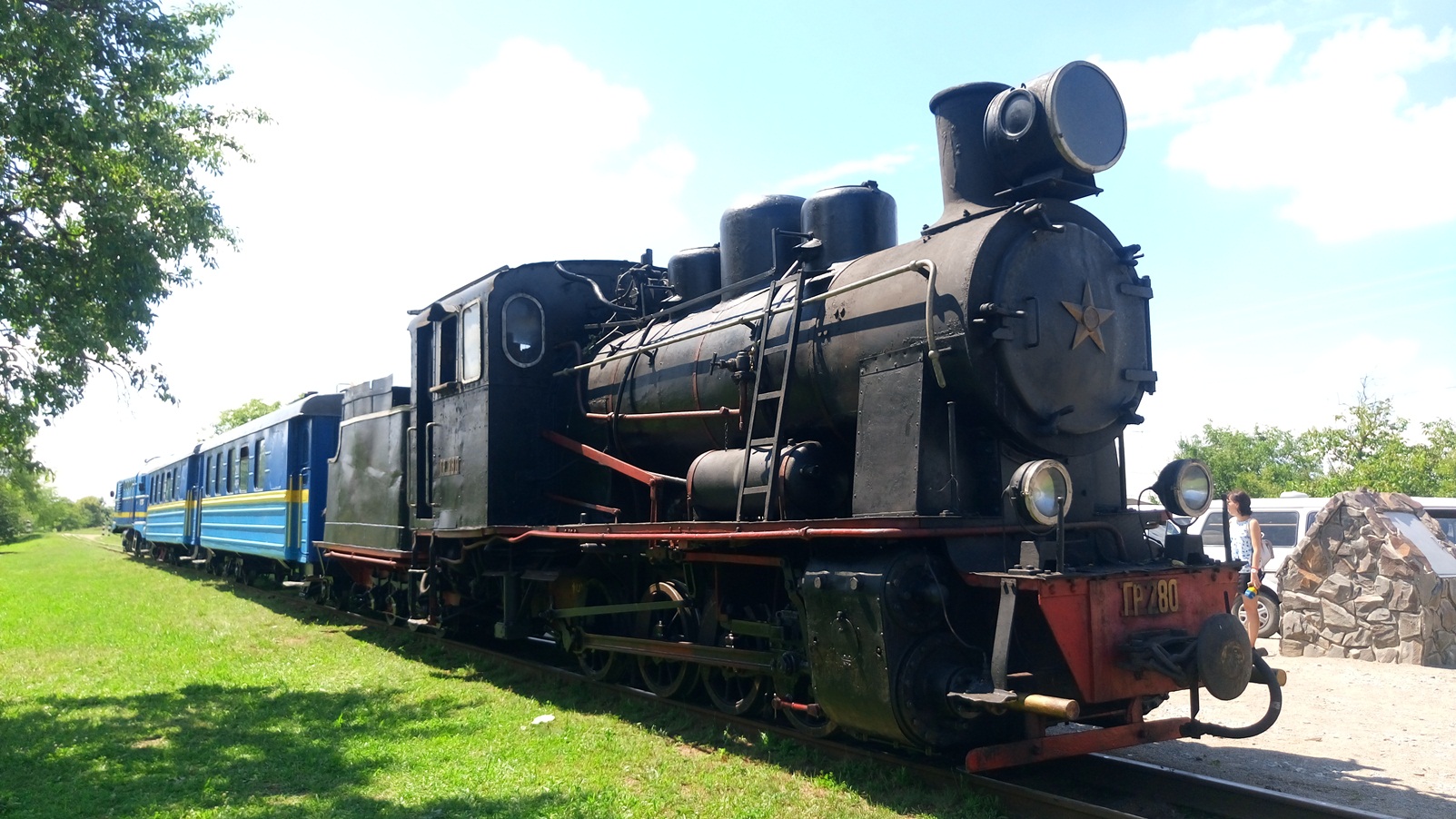
Borzhava narrow-gauge railway. The narrow-gauge railway was put into operation on 23 December 1908. This railway is not the only one. There is now a similar one, but for children in Uzhhorod.
Irshava has a historical and local history museum with a large thematic exhibition (about 900 exhibits). Irshava also has a historic park "Iloshvo", a horizontal sundial (possibly the only one in Ukraine), an arched bridge of the early 20th century. XX century, the old railway station (built in 1908),
There is an old water mill in Lukiv (early XIX century);
In Pryborzhavske, there is a Memorial Cross of Reconciliation (2001) in honour of all the villagers who died during the two World Wars (the first such monument in Ukraine);
A water mill in the village of Pryborzhavske;
St Seraphim's Orthodox Monastery (1933)
In Dorobrativ, the village church houses parts of the relics of St Nicholas, which were transferred from Bar (Italy);
In Bronka, in the Bronetska Rika tract, there is a trout farm where you can taste freshly caught trout.
On the outskirts of Dubrivka is the St John the Baptist Orthodox Monastery.
On the outskirts of Osii is the Kamianka tract, where you can visit the old adits where iron ore was once mined and visit a male Orthodox monastery.
In Vilkhivka, in the Dzhublyk tract, there is a Greek Catholic monastery known throughout western Ukraine, where the appearance of the Mother of God took place in 2001.
The village of Kolochava has the largest number of museums
Attractive areas, landscapes, natural objects
The highest point of Khust district is Mount Strymba, 1,719 m.
The district is home to the largest mountain lake in Ukraine, Synevyr, formed 10,000 years ago at an altitude of 989 metres and covering an area of 7 hectares. Its maximum depth is 27 m, and the temperature is between +12° and +18°, with rainbow, brook and lake trout.
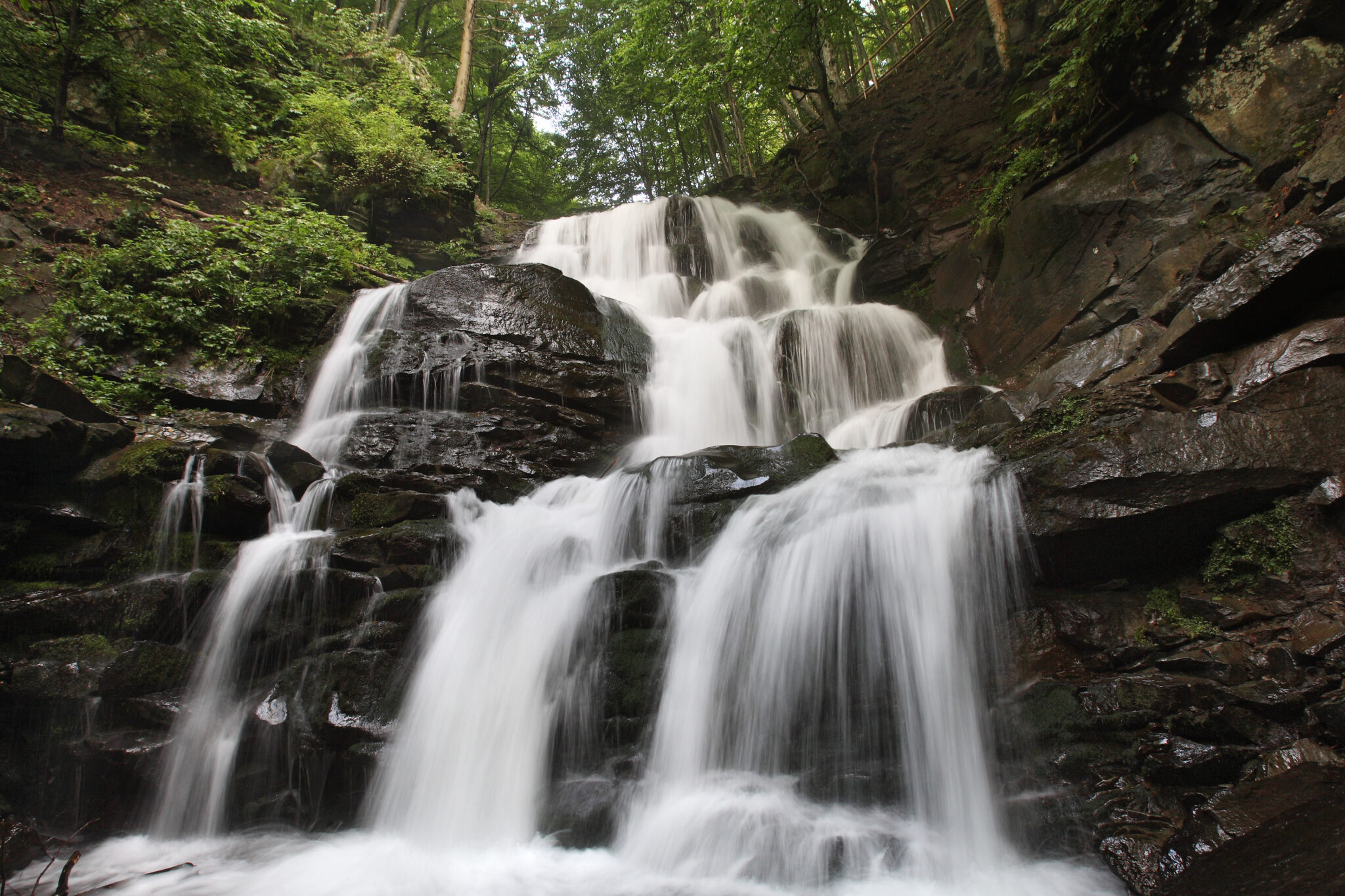
The largest waterfall in Transcarpathia - Shipot - is located in Khust district
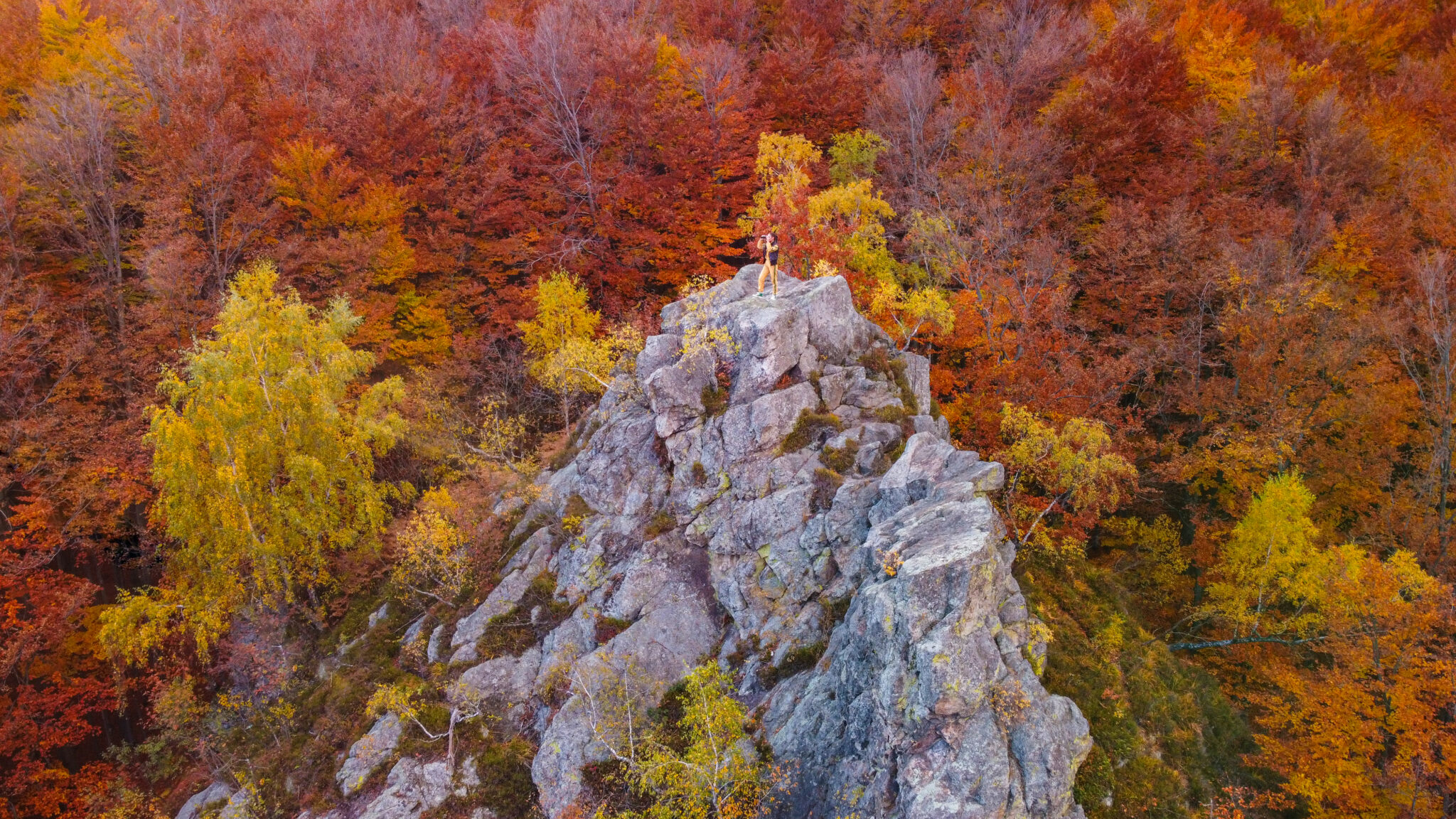
Mountain ranges: Pishkonya, Kvasnyi Verkh, Palenyi Hrun, Smerek
An important transport pass leads here through the Vodorozdilnyi Ridge: Vyshkivskyi (Torunskyi - 931 m), and there are hollows between the mountains: Mizhhirska and Kolochavska.
A 500-year-old oak tree grows in Mizhhiria.
A monument to the Carpathian bee was erected in the village of Vuchkove.
The Zacharovanyi Krai National Nature Park and Synevyr National Park are two nationally important sites:
The most original rock massif in Ukraine is the so-called "Smerekovyi Kamen", located in the upper reaches of the Smerekovyi Stream, which flows through the reserve. Numerous rocks 20-100 m high have acquired the shapes of a tree (fossilised spruce), castle ruins (throne stone), and animals (giant camel) as a result of weathering processes. The valley is scattered with stones of volcanic origin, which have been rising higher and higher above the ground for millions of years. It looks as if the stones are growing. Geologists consider it a natural wonder, the only one in the world.
The Black Mud Bog is a unique and rare upland sphagnum bog, from which the Irshavka River originates. Rare plants grow there: insectivorous sundew, cranberries, broad-leaved fluff, black water lily, etc. It is located at an altitude of 840 m above sea level at the foot of Buzhora mountain.
Popular hiking routes to the mountain peaks: Mount Kuk (1361 m), Mount Buzhora (1085 m). It is part of the Enchanted Land National Nature Park.
Distances from Mizhhirya to the nearest tourist destinations:
Shipot Waterfall, 25 km or 30 minutes by car
Pylypets ski resort, 23 km or 25 minutes by car
Podobovets ski resort, 26 km or 30 minutes by car
Lake Synevyr, 30 km or 30 minutes by car
Kolochava, 26 km or 34 minutes by car
Skiing, cycling, hiking, gastronomic tours, visits to the national park and the brown bear rehabilitation centre are popular leisure activities.
Numerous celebrations and festivals are held in Khust district, including the following: "Sending off shepherds to the meadow", "Trembitas call to Synevyr", "Krasne Pole", and the music festival "Pinta Fest" in Velyatyn.
Accommodation in the district is provided by hotels, tourist bases, and rural estates. Dining is provided in restaurants offering traditional Carpathian cuisine.