
How to choose skiing equipment? Where to start? What position to take when skiing and how to fall correctly? These and other popular questions from beginner skiers will not remain unanswered.
Keep your legs half bent
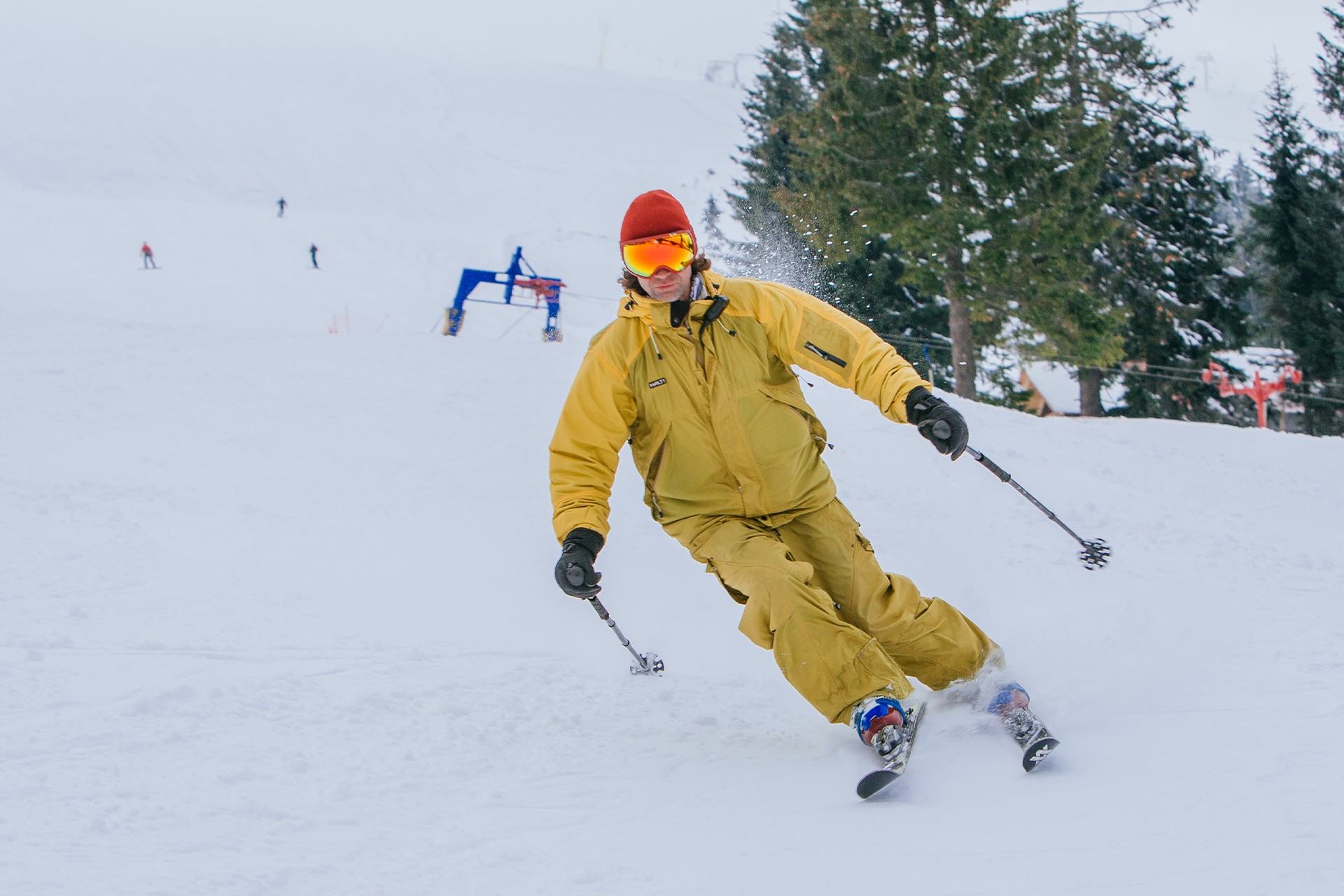
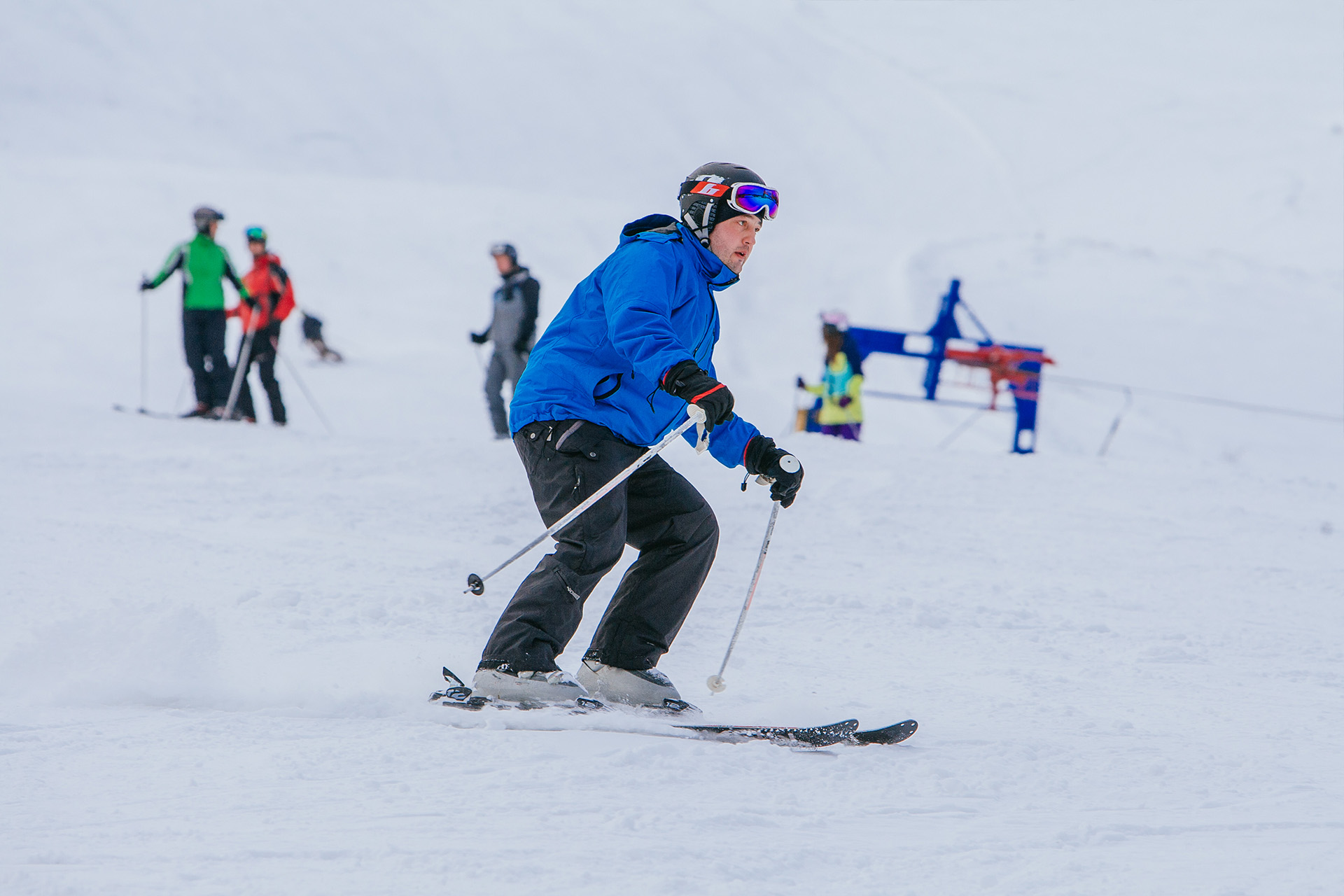
This is the number one lesson, but many people forget about it! For beginners, the half-crouch position is new, so they tend to straighten their legs every time and thus lose their balance. Semi-bent knees give you the ability to control your skis and keep them parallel to each other (but not crosswise or in different directions).
Another bonus of having your legs half bent is that you will be better prepared for small jumps over bumps that may unexpectedly appear on the track. Skiing with straight legs can be compared to travelling in a bus that is not very smooth. How long can you stand on straight legs without additional support from the handrails? Now try to bend your knees even more, and you will be surprised how much easier it is to control your body and technique and how easy it is to jump from small jumps and even slopes.
Make sure that your heel always stays in the heel cup of your ski boots. If it does not, you have not bent your knees enough.
Find the balance
If you're a beginner, your body is in an unnatural position when skiing. Your legs are moving forward, and your body is already trying to catch up with the runaway pair. And this is where many beginners try to sit down on their skis to eliminate this unpleasant imbalance, and this is completely wrong.
How to do it correctly? You have to concentrate and make sure that your body is above your legs. This will improve your skiing technique and give you extra control over your body and skis if your body is over the narrowest point of the ski (the "sweet spot"). Skiing without balance is very tiring.
Sweet spot is the zone of optimal balance in the front-to-back direction, where the skier can easily control the skis. Skis with a small Ss are less forgiving of mistakes, and it is necessary that the skier's weight is always in the right place (stance control). Skis with a large Ss allow the skier to ski in a front or back stance, while providing very good handling and manoeuvrability.
Don't look down
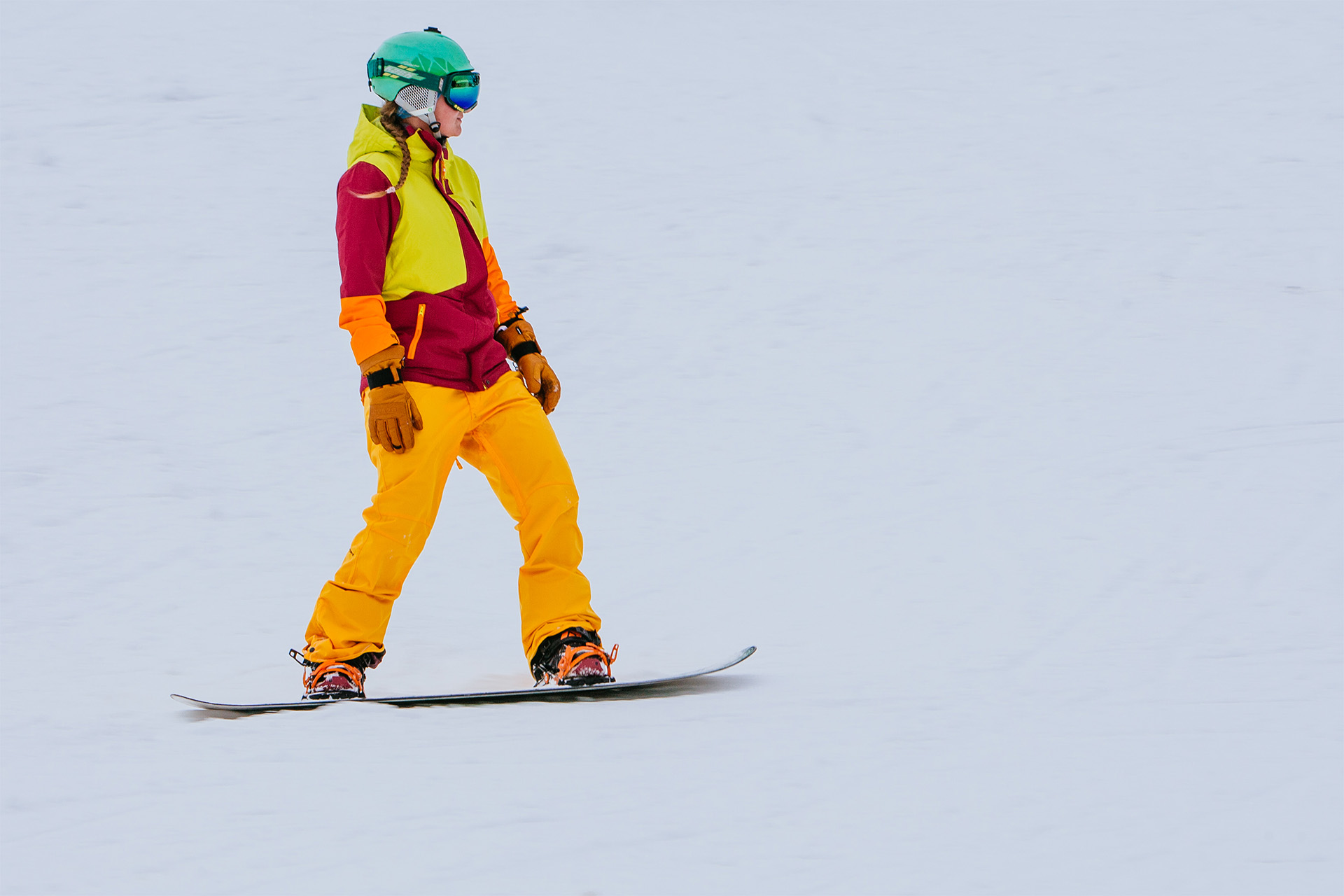
For beginners, the sensation of skis attached to their feet seems quite strange. Therefore, many people start looking at their skis out of curiosity (oh, what is happening to them?!) instead of looking forward. The effect of this is about the same as if you were constantly looking at your boots while walking: sooner or later you will definitely bump into someone. Ski instructors suggest looking about 3 metres ahead. This way you can see people or trees in advance and avoid a collision or prepare for uneven terrain.
Also, looking forward will lead the body, meaning you will move where you look. It's like throwing a ball: look at the place you want to go, not at the ball.
Start learning on the right ground
If you've ever read a ski resort brochure, you've probably come across piste types. There are pistes for pros, and there are pistes for beginners (usually marked in green). As a rule, these are gentle and well-groomed pistes with a short slope, not as steep and hilly as those for more experienced skiers.
Don't be afraid to fall
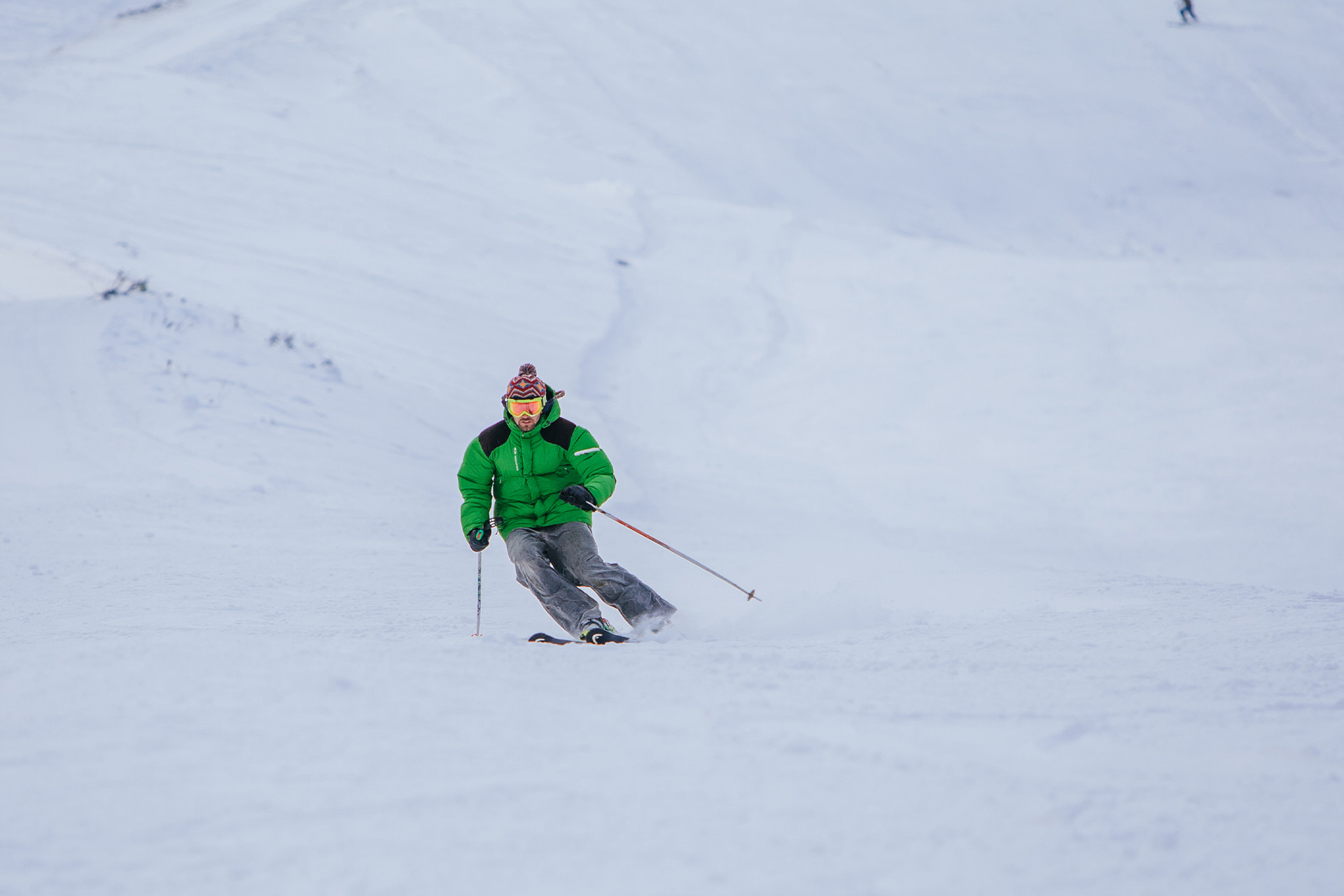
Fear of falling is one of the most common fears. However, falling is as much a part of learning as skiing itself. You are going to fall. You're going to fall a lot, and the only way to get through it is to learn how to fall properly. Try to fall sideways, not forwards or backwards, as this can lead to dislocation. After falling, try to fix your body to prevent further sliding down, otherwise you will crash into someone and knock them over.
Choose the right ski resort
As we have already mentioned, there are different trails. If skiing is new to you, choose a resort that has good trails for beginners, convenient cable cars, high-quality ski equipment rental and competent instructors.
Don't learn from your other half
"Why should I spend money on an instructor and trust my health and life to a complete stranger if my lover can teach me everything?" some people think.
Have you ever been taught to drive by your significant other? Learning to ski will look much the same, even if your spouse is a highly qualified instructor. A new sport, especially an extreme sport like skiing, will cause a storm of emotions, and not all of them will be positive. It's one thing to grumble at a stranger's back, and quite another to respond to your spouse's reproaches or admonitions. Here, it is unlikely that the matter will end with a simple grumble. You obviously do not need unnecessary resentment, as well as injuries.
The only option that can work in this case is to educate your children.
Dress appropriately
No one ever demands the same equipment from a beginner as a pro athlete. It's not a given that you will enjoy this activity, and you don't really want to spend money on expensive ski equipment. But there are a few things that are a must-have. It is better to buy them rather than rent them.
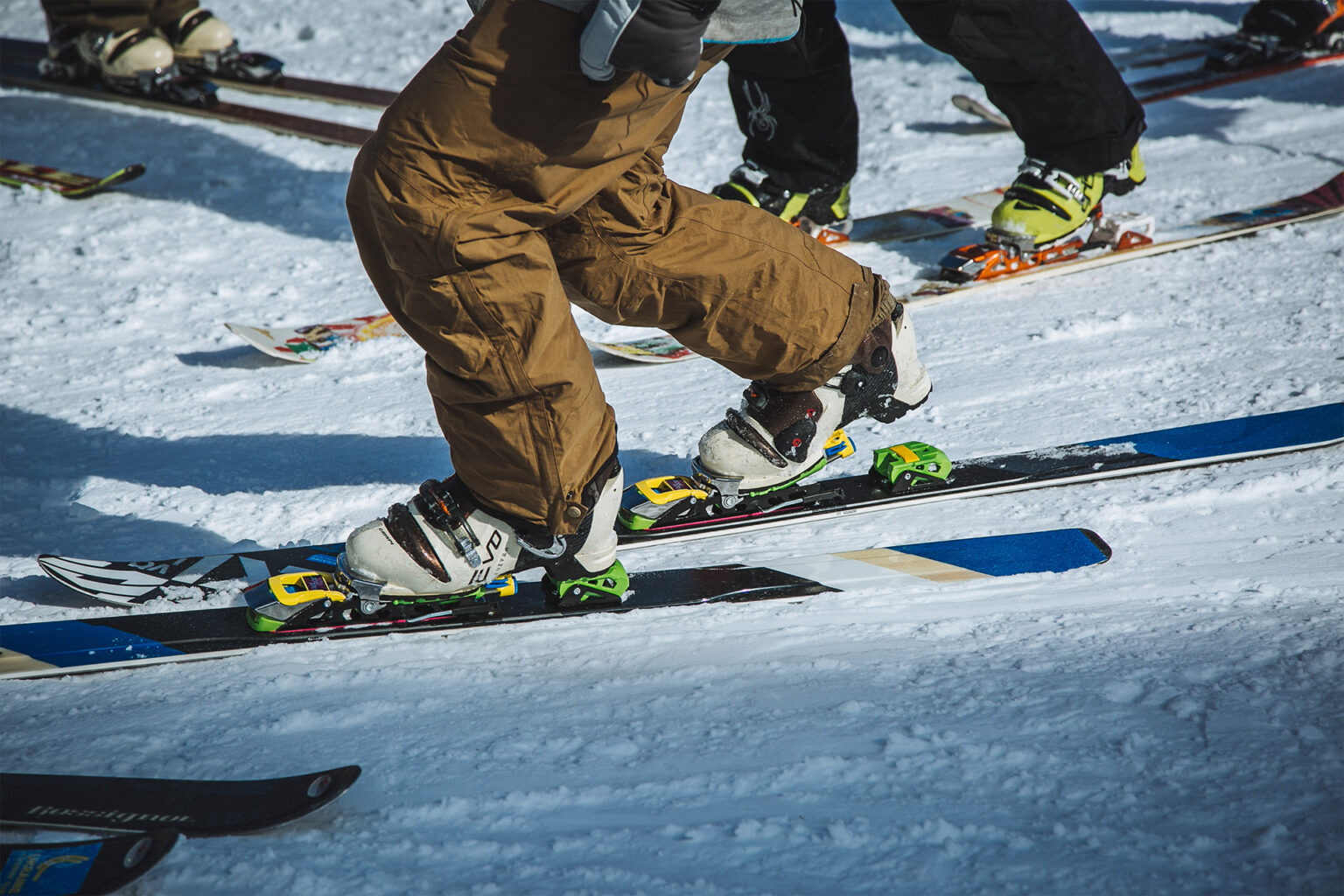
The first thing you need is ski boots. Your success will largely depend on their quality and comfort. The number two thing is a good pair of ski pants, which will ensure that you return home almost dry. Also, high-quality trousers will allow you to stay on the slope much longer than in the ski lodge. The third thing is a protective ski helmet. You will fall, remember? And it won't always be easy falls on your bum or on your side.
You should also take care of good gloves, ski goggles and choose the right sunscreen.
Take your time and don't jump from track to track
Learning on flat and gentle slopes is very convenient, but boring. Particularly brave beginners suddenly decide that they can move on to a more advanced course just a few days after starting their training. But in fact, they can't! Even if you are the only adult on the green track and your child's, younger brother's or sister's classmates are playing around you, you should not move to a more difficult level until the instructor allows you to. Take a deep breath and try to focus on small achievements. Work on your technique, learn how to fall correctly and get around the "obstacles" thrown at you.



No comment